
Dr. Kevin Paisley at the Alaska Shoulder & Orthopaedic Institute performs shoulder reconstruction surgery in Anchorage. He is a board-certified orthopedic surgeon specializing in shoulder conditions, including rotator cuff tears, instability, and arthritis. This guide covers the types of surgeons who perform these procedures, the role of arthroscopic techniques, and the specifics of rotator cuff repair. according to Shoulder and Elbow For additional details, review the wp.
Shoulder Reconstruction Surgeons
Shoulder reconstruction surgery is a specialized field within orthopedic surgery that focuses on repairing or replacing damaged shoulder structures. In Anchorage, patients seeking this care typically consult with orthopedic surgeons who have specific training in upper extremity conditions. Dr. Kevin Paisley, the lead physician at the Alaska Shoulder & Orthopaedic Institute, is highly specialized in shoulder reconstruction. He has received the Anchorage Press Best Orthopedic Surgeon award four times, reflecting his dedication to patient care in the local community.
Specialization and Training
Not all orthopedic surgeons focus exclusively on the shoulder. A shoulder specialist, or shoulder surgeon, is a physician who has completed additional fellowship training in shoulder and elbow medicine. This advanced training allows them to diagnose complex issues such as labral tears, instability, and advanced arthritis. Dr. Paisley’s practice emphasizes individualized treatment plans, ensuring that each patient receives care tailored to their specific anatomy and lifestyle goals. For additional details, review the .
Non-Surgical and Surgical Options
Arthroscopic Procedures
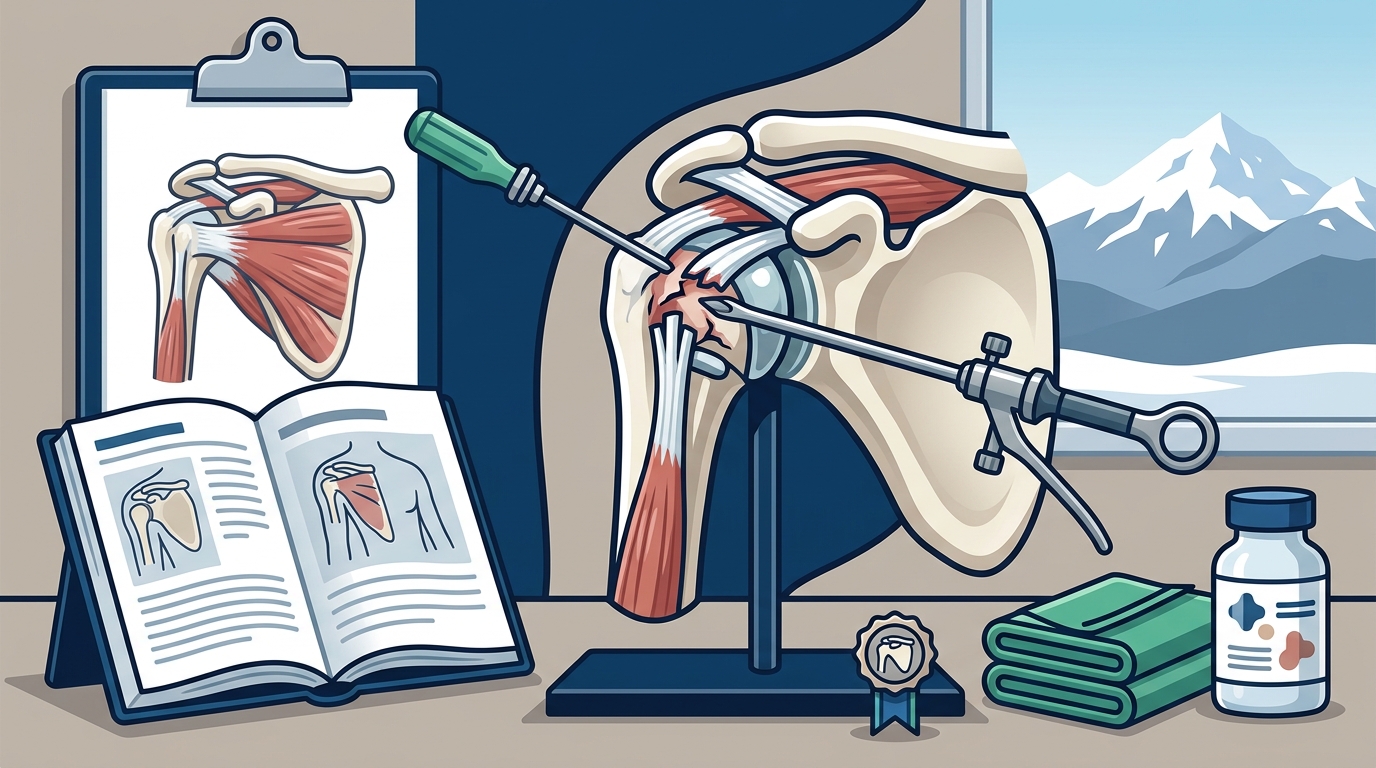
Arthroscopic surgery is a minimally invasive technique used to diagnose and treat joint problems. In the context of the shoulder, arthroscopy allows the surgeon to view the inside of the joint using a small camera and specialized instruments. This approach is preferred by many patients because it typically results in smaller incisions, less postoperative pain, and a faster recovery compared to traditional open surgery. For additional details, review the Customer Experience.
Common Arthroscopic Techniques
Several conditions can be addressed through arthroscopy. Labral repairs, biceps tenodesis, and subacromial decompression are common procedures performed using this method. The surgeon makes small incisions, known as portals, around the shoulder to insert the arthroscope and tools. This precision allows for detailed visualization of the rotator cuff, labrum, and surrounding soft tissues. For additional details, review the Frequently Asked Questions.
Benefits of Minimally Invasive Care
The primary benefit of arthroscopic shoulder surgery is reduced tissue trauma. Because the muscles and tendons are not cut, patients often experience less stiffness and can begin rehabilitation sooner. At the Alaska Shoulder & Orthopaedic Institute, Dr. Paisley utilizes advanced arthroscopic techniques to ensure accurate diagnosis and effective treatment. The goal is to restore normal kinematics and kinetics of the shoulder joint, allowing patients to return to their daily activities.
Rotator Cuff Repair
Rotator cuff repair is one of the most common shoulder reconstruction procedures. The rotator cuff is a group of four muscles and their tendons that stabilize the shoulder joint. When these tendons tear, often due to aging or trauma, the shoulder can become weak and painful. Repairing the torn tendon reattaches it to the bone, restoring the joint’s stability and strength.
Indications for Repair
Not every rotator cuff tear requires surgery. Small tears in older, less active patients may be managed with physical therapy. However, large or full-thickness tears in active individuals often benefit from surgical repair. Dr. Paisley evaluates the size of the tear, the quality of the remaining tendon, and the patient’s activity level to determine the best course of action. The decision to repair is based on a comprehensive assessment of the patient’s goals and medical history. according to Shoulder and Elbow
Surgical Techniques
Rotator cuff repairs can be performed arthroscopically or through an open approach. Arthroscopic repair is the most common technique today, using sutures to anchor the tendon back to the humerus. The surgeon may use one or more anchors, depending on the size and location of the tear. Postoperative rehabilitation is critical to the success of the repair, involving a structured program of physical therapy to restore range of motion and strength.
Key Takeaways
- Dr. Kevin Paisley at the Alaska Shoulder & Orthopaedic Institute is a leading provider of shoulder reconstruction surgery in Anchorage.
- Shoulder reconstruction is a specialized field requiring fellowship training in shoulder and elbow medicine.
- Rotator cuff repair is a common procedure that reattaches torn tendons to the bone to restore stability.
- Conservative treatments, including physical therapy and regenerative injections, are often tried before surgery.
- Individualized treatment plans are essential, as the best option depends on the patient’s specific condition and goals.
- The Alaska Shoulder & Orthopaedic Institute offers a range of services, from evaluation to advanced surgical reconstruction.
Frequently Asked Questions
Who is the best orthopedic surgeon in Anchorage for shoulder issues?
Dr. Kevin Paisley at the Alaska Shoulder & Orthopaedic Institute is a highly regarded shoulder specialist in Anchorage. He has received the Anchorage Press Best Orthopedic Surgeon award four times and specializes in complex shoulder conditions.
What is shoulder reconstruction surgery?
Shoulder reconstruction surgery is a procedure designed to repair or replace damaged structures in the shoulder, such as the rotator cuff, labrum, or joint surface. It aims to reduce pain and restore function.
Is arthroscopic surgery better than open surgery?
Arthroscopic surgery is often preferred because it is minimally invasive, leading to less pain and a faster recovery. However, the best approach depends on the specific condition and the surgeon’s recommendation.
What is a rotator cuff tear?
A rotator cuff tear is a rupture of one or more of the tendons that stabilize the shoulder joint. It can cause pain, weakness, and difficulty lifting the arm.
Can I avoid surgery for a rotator cuff tear?
Some patients can manage small tears with physical therapy and activity modification. However, large tears in active individuals often require surgical repair to restore full function.
What are the risks of shoulder surgery?
Like any surgery, shoulder reconstruction carries risks such as infection, stiffness, and the possibility of needing additional procedures. A thorough consultation with your surgeon will discuss these risks in detail.
How long does recovery take after shoulder surgery?
Recovery time varies depending on the type of surgery and the patient’s health. Most patients begin physical therapy within a few weeks and gradually return to full activity over several months.