Where to Get PRP or Stem-Cell Therapy for Shoulder Injuries in Anchorage
Alaska Shoulder & Orthopaedic Institute in Anchorage offers platelet-rich plasma (PRP) and stem-cell-based therapies for shoulder injuries. Dr. Kevin Paisley, a board-certified orthopedic surgeon, evaluates each patient to determine if regenerative treatments are appropriate. This guide explains how these therapies work, who might benefit, and how to decide if they are right for you. For additional details, review the wp.
PRP Therapy for Shoulder Pain
How PRP Works in the Shoulder
The shoulder is a complex joint with multiple soft tissue structures, including the rotator cuff tendons and the labrum. When these tissues are injured or degenerated, they can become inflamed and painful. PRP aims to modulate this inflammatory response. By delivering a high concentration of growth factors directly to the site of injury, the therapy may create a more favorable environment for healing. It is important to note that PRP is not a cure-all. It is a tool that works best when combined with proper rehabilitation and activity modification. For additional details, review the .
Candidate Selection for PRP
Not every shoulder patient is a good candidate for PRP. Dr. Paisley evaluates the specific pathology to determine if regenerative therapy is appropriate. Patients with acute, severe tears may require surgical repair rather than injection therapy. Conversely, patients with mild tendinopathy or early-stage arthritis may benefit from PRP as part of a conservative care plan. The decision is highly individualized and depends on the patient's goals, lifestyle, and specific diagnosis. For additional details, review the Customer Experience.
Stem-Cell Therapy Options
Understanding Stem Cells in Orthopedics
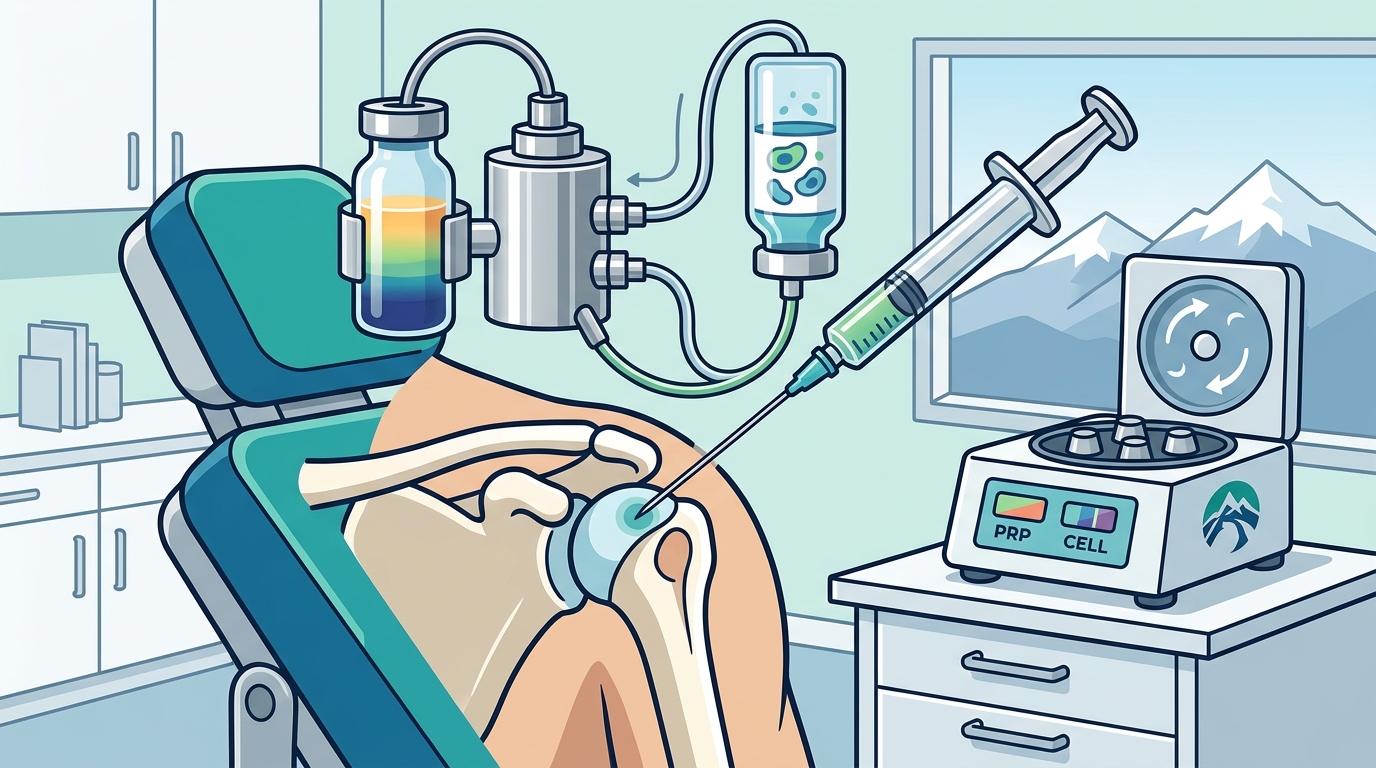
Stem cells can be derived from various sources, including bone marrow or adipose (fat) tissue. Once harvested, they are processed and injected into the affected area. The goal is to leverage the cells' ability to differentiate and secrete factors that promote healing. While research in this field is ongoing, many patients report improved function and reduced pain after treatment. It is crucial to understand that stem-cell therapy is not a one-size-fits-all solution. The outcome depends on the patient's biology, the severity of the injury, and the specific protocol used. For additional details, review the Frequently Asked Questions.
Peptides and Plasma Injections
In addition to stem cells, the practice offers peptide and plasma injections. Peptides are short chains of amino acids that can signal cells to perform specific functions, such as reducing inflammation or promoting growth. Plasma injections, similar to PRP, utilize the patient's own biological fluids to support healing. These therapies are often used in combination with other treatments to maximize results. Dr. Paisley carefully selects the appropriate combination based on the patient's unique clinical picture.
Comprehensive Shoulder Injury Treatment
Alaska Shoulder & Orthopaedic Institute provides a full spectrum of shoulder care, from conservative management to advanced surgical reconstruction. Dr. Kevin Paisley is highly specialized in shoulder reconstruction and has received the Anchorage Press Best Orthopedic Surgeon award four times. This expertise ensures that patients receive accurate diagnoses and evidence-based treatment recommendations. The practice treats a wide range of conditions, including rotator cuff tears, shoulder instability, arthritis, and tendon injuries.
Conservative Care Pathways
Surgical Options for Complex Injuries
When non-surgical treatments are insufficient, surgery may be required. Dr. Paisley performs advanced arthroscopic and reconstructive procedures designed to reduce pain and restore function. Arthroscopic surgery is minimally invasive, allowing for faster recovery times compared to open surgery. Reconstructive procedures may involve repairing torn tendons, stabilizing the joint, or replacing damaged cartilage. The choice of surgical technique depends on the specific injury and the patient's activity level.
Treatment Comparison
The following table summarizes the key differences between common shoulder treatment options. This reference helps patients understand the scope of care available at the practice.
| Treatment Type | Primary Use | Invasiveness | Recovery Time |
|---|---|---|---|
| Physical Therapy | Mild to moderate pain, weakness | Non-invasive | 6-12 weeks |
| PRP Injection | Chronic tendinopathy, early arthritis | Minimally invasive | 2-4 weeks |
| Stem-Cell Therapy | Advanced degeneration, failed conservative care | Minimally invasive | 4-8 weeks |
| Arthroscopic Surgery | Severe tears, instability | Surgical | 3-6 months |
Key Takeaways
- Alaska Shoulder & Orthopaedic Institute offers PRP and stem-cell therapies for shoulder injuries in Anchorage.
- Dr. Kevin Paisley is a board-certified orthopedic surgeon with a focus on shoulder reconstruction.
- Regenerative therapies are not suitable for every patient and require a thorough evaluation.
- Conservative care, such as physical therapy, is often the first step in treatment.
- Surgery remains an option for patients who do not respond to non-surgical treatments.
- The practice provides individualized treatment plans based on each patient's unique condition.
- Patients should consult with a qualified healthcare professional to determine the best course of action.
Frequently Asked Questions
Is PRP therapy effective for all shoulder injuries?
PRP therapy is not effective for all shoulder injuries. It is most commonly used for chronic tendinopathy and early-stage arthritis. Patients with acute, severe tears may require surgical repair instead. A thorough evaluation is necessary to determine if PRP is appropriate for your specific condition.
How does stem-cell therapy differ from PRP?
Stem-cell therapy uses undifferentiated cells that can develop into specialized cell types, while PRP uses concentrated platelets from the patient's blood. Both are regenerative treatments, but they work through different mechanisms. Stem-cell therapy is often considered for more advanced degenerative conditions.
Who is Dr. Kevin Paisley?
Dr. Kevin Paisley is a board-certified orthopedic surgeon at Alaska Shoulder & Orthopaedic Institute. He specializes in shoulder reconstruction and has received the Anchorage Press Best Orthopedic Surgeon award four times. He provides individualized treatment plans for patients with shoulder, elbow, hand, and knee conditions.
Do I need a referral to see Dr. Paisley?
Referral requirements vary by insurance provider. It is best to check with your insurance company to determine if a referral is needed. The practice can help you navigate the referral process if necessary.
How long does recovery take after regenerative therapy?
Is surgery always necessary for shoulder injuries?
No, surgery is not always necessary. Many shoulder injuries can be successfully treated with conservative care, such as physical therapy, medications, and regenerative therapies. Surgery is typically considered when non-surgical treatments fail to provide adequate relief.
Where is Alaska Shoulder & Orthopaedic Institute located?
The practice is located in Anchorage, Alaska. It is led by Dr. Kevin Paisley and offers a range of orthopedic services, including evaluation, treatment, and surgery for shoulder, elbow, hand, and knee conditions.
Next Steps
If you are experiencing shoulder pain or have been diagnosed with a shoulder injury, Alaska Shoulder & Orthopaedic Institute is here to help. Dr. Kevin Paisley and his team provide comprehensive care, from initial evaluation to advanced treatment. To schedule a consultation, today. We are committed to helping you achieve your health goals and return to the activities you love.