
How to Know If You Need an Anchorage Orthopedic Specialist for Shoulder Pain
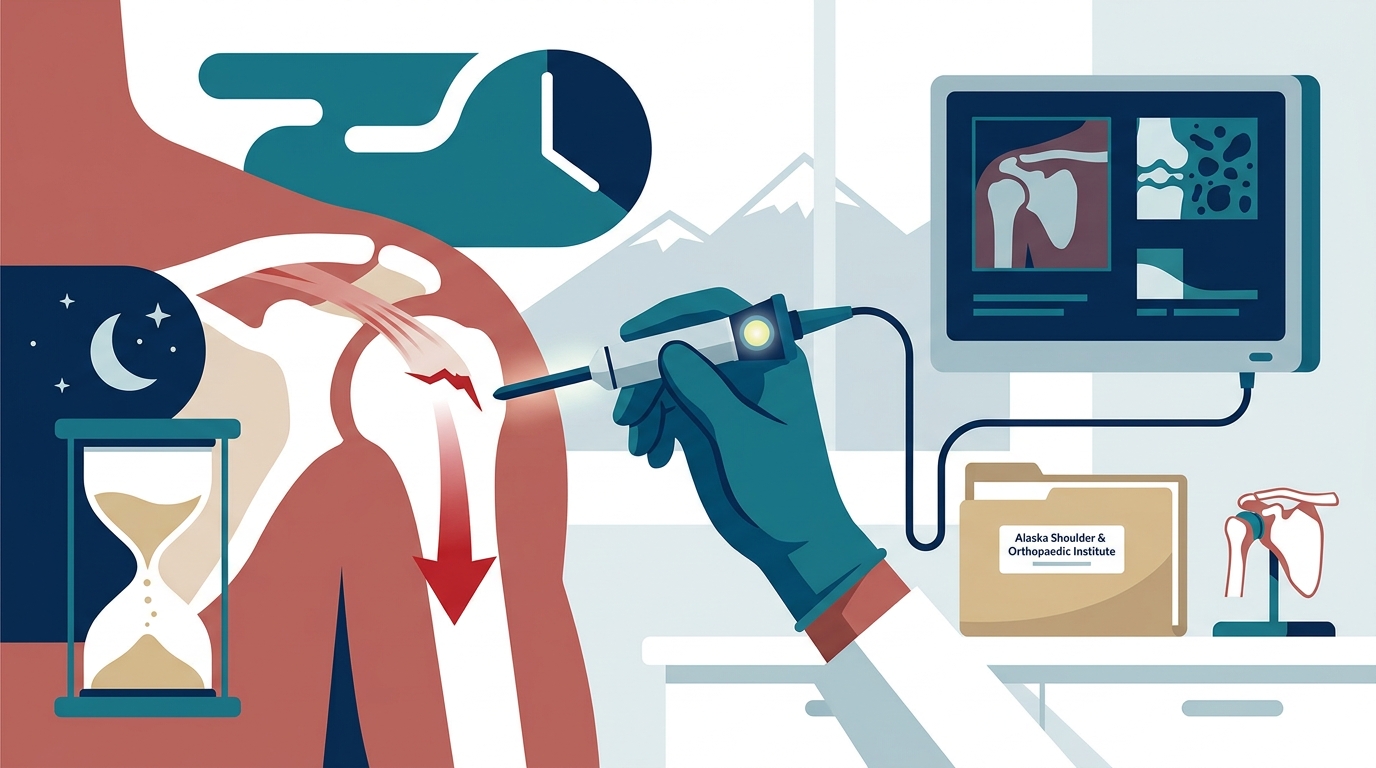
Shoulder pain that persists beyond two weeks, limits daily movement, or worsens at night often signals a structural issue requiring specialized evaluation. Alaska Shoulder & Orthopaedic Institute in Anchorage provides focused diagnostic and treatment pathways for complex shoulder conditions. This guide explains how to assess your symptoms, verify provider credentials, and navigate the local healthcare system effectively. For additional details, review the wp.
How to Choose a Specialist
Choosing the right provider requires looking beyond general orthopedic practice. A shoulder specialist is a physician who has completed additional fellowship training focused specifically on the shoulder joint. This subspecialty training involves advanced study of rotator cuff anatomy, instability mechanics, and arthroscopic reconstruction techniques. General orthopedists treat all joints, but shoulder specialists dedicate their practice to this specific region. For additional details, review the .
Board Certification and Fellowship
Verify that the surgeon is board-certified by the American Board of Orthopaedic Surgery. Additionally, check for fellowship training in shoulder and upper extremity surgery. This extra year or two of training distinguishes a generalist from a true specialist. At Alaska Shoulder & Orthopaedic Institute, Dr. Kevin Paisley brings this specialized focus to patients in Anchorage. For additional details, review the Customer Experience.
Scope of Practice
What to Ask Before Committing
During your initial inquiry or first visit, ask specific questions to gauge the provider's approach. Do not hesitate to ask about their experience with your specific condition. For example, if you have a rotator cuff tear, ask how many arthroscopic repairs they perform annually. This metric provides insight into their procedural volume and expertise. For additional details, review the Frequently Asked Questions.
Key Questions for the Provider
- What is your specific training in shoulder surgery?
- How many of your patients have my specific diagnosis?
- What are the non-surgical options you recommend before considering surgery?
- What is your success rate for this specific procedure?
- How do you handle post-operative rehabilitation?
These questions help you understand the provider's philosophy. A good specialist will answer these questions clearly and without pressure. They should explain the risks and benefits of each option in plain language.
How to Verify Credentials
Medical credentials can be verified through public databases. The American Board of Orthopaedic Surgery maintains a public directory of certified surgeons. You can search for a physician's name to confirm their board status and any disciplinary actions. Additionally, state medical boards in Alaska maintain records of licensed practitioners. Checking these sources ensures that the provider's claims are accurate.
Checking for Disciplinary Actions
Review the state medical board website for any history of complaints or sanctions. While a single complaint does not necessarily indicate poor care, a pattern of issues is a red flag. Transparency is a hallmark of a reputable practice. Patients should feel comfortable asking about a provider's history if they have concerns.
The Consultation Process
The typical orthopedic consultation follows a structured sequence. It begins with a detailed history of your symptoms, including onset, duration, and aggravating factors. The physician then performs a physical examination, assessing range of motion, strength, and specific provocative tests. Imaging, such as X-rays or MRI, is often ordered to visualize soft tissue structures.
Diagnostic Imaging
Imaging is critical for diagnosing soft tissue injuries like rotator cuff tears or labral tears. X-rays show bone alignment and arthritis, while MRI provides detailed views of tendons and ligaments. The specialist interprets these images in the context of your physical exam. This combined approach ensures an accurate diagnosis.
Treatment Planning
Cost Factors and Insurance
Costs for orthopedic care vary based on several factors. Insurance coverage is the primary determinant of out-of-pocket expenses. Most major insurance plans cover specialist consultations and necessary imaging. However, copays and deductibles apply. Patients should verify their benefits before scheduling an appointment.
Factors Influencing Cost
| Factor | Impact on Cost | Notes |
|---|---|---|
| Insurance Type | High | HMOs may require referrals; PPOs offer more flexibility. |
| Imaging Needs | Medium | MRIs are more expensive than X-rays. |
| Procedure Type | High | Surgical procedures cost more than conservative care. |
| Location | Medium | Anchorage costs may differ from national averages. |
Some advanced treatments, such as regenerative therapies, may not be covered by insurance. Patients should ask about coverage for specific injections or therapies before proceeding. Transparency in pricing helps patients make informed financial decisions.
Common Mistakes to Avoid
Patients often make errors that delay proper care. One common mistake is ignoring early symptoms. Shoulder pain can be subtle at first, but ignoring it can lead to more severe damage. Another mistake is seeking care from a provider without specific shoulder expertise. Generalists may miss subtle signs of instability or complex cuff tears.
Delaying Diagnosis
Chronic pain can lead to muscle atrophy and joint stiffness. The longer a tear goes untreated, the harder it may be to repair. Early intervention often leads to better outcomes. Patients should not wait for pain to become unbearable before seeking help.
Choosing the Wrong Provider
Not all orthopedists are created equal. A provider who does not perform many shoulder surgeries may lack the nuanced skills required for complex cases. Choosing a specialist ensures you are in the hands of someone who sees these conditions daily.
Specialist vs. Primary Care
When to See a Specialist
See a specialist if your primary care physician recommends it, if pain persists despite conservative care, or if you have a specific injury like a dislocation. Specialists can provide advanced imaging interpretation and surgical options if necessary. They work in conjunction with your primary care provider to ensure comprehensive care.
Specific Patient Scenarios
Different patient groups have different needs. Athletes may require a focus on return-to-play protocols. Older adults may have arthritis-related pain requiring different management. The approach at Alaska Shoulder & Orthopaedic Institute is individualized to address these specific needs.
Athletes and Active Individuals
For athletes, the goal is often to restore high-level function. This may require more aggressive treatment or specialized rehabilitation. The specialist works with the athlete's training regimen to ensure a safe return to activity.
Older Adults
Older adults may have multiple comorbidities that affect healing. The specialist considers these factors when planning treatment. Conservative care is often preferred to minimize surgical risks in this population.
Patient Rights and Protections
Patients have specific rights under healthcare laws. The Health Insurance Portability and Accountability Act (HIPAA) protects your medical privacy. You have the right to access your medical records and imaging. You also have the right to informed consent before any procedure. This means you must be fully informed of the risks and benefits before agreeing to treatment.
Informed Consent
Informed consent is a legal and ethical requirement. The physician must explain the procedure, alternatives, and risks in a way you can understand. You have the right to ask questions and take time to decide. Never feel pressured to sign consent forms immediately.
Anchorage Local Specifics
Living in Anchorage presents unique challenges for shoulder health. The cold climate and outdoor activities can strain the shoulder. Many residents engage in hiking, skiing, and fishing, which place specific demands on the joint. Local specialists understand these lifestyle factors and tailor their advice accordingly.
Access to Care
Anchorage has a limited number of orthopedic specialists. This makes it important to choose a provider with specific expertise. Alaska Shoulder & Orthopaedic Institute is located in Anchorage, providing convenient access for local residents. The practice serves the broader Anchorage area, including surrounding communities.
Timing and Urgency
Timing is critical in shoulder care. Acute injuries, such as dislocations, require immediate attention. Chronic conditions may allow for a more gradual approach, but delay can still be detrimental. The general rule is to seek care if pain persists for more than two weeks or if it interferes with daily activities.
Red Flags for Urgent Care
- Sudden, severe pain after a fall or trauma.
- Inability to lift the arm.
- Visible deformity or swelling.
- Loss of sensation or weakness in the arm.
If you experience these symptoms, seek medical attention immediately. Delaying care for acute injuries can lead to complications.
Long-Term Outcomes
Long-term outcomes depend on the diagnosis and treatment. Successful treatment aims to restore function and reduce pain. Patients often report improved quality of life after appropriate care. However, outcomes vary by individual. Factors such as age, activity level, and adherence to rehabilitation influence results.
Rehabilitation and Maintenance
Rehabilitation is a key component of long-term success. Physical therapy helps restore strength and range of motion. Patients should follow their rehabilitation plan diligently. Maintenance exercises can help prevent future injuries. The goal is to keep the shoulder healthy and functional for the long term.
Key Takeaways
- Shoulder pain lasting more than two weeks warrants specialist evaluation.
- Choose a provider with specific fellowship training in shoulder surgery.
- Verify credentials through the American Board of Orthopaedic Surgery.
- Ask about the provider's experience with your specific condition.
- Understand the cost factors and insurance coverage before treatment.
- Avoid delaying care for acute injuries or persistent pain.
- Consider local lifestyle factors when choosing a provider.
- Long-term success depends on adherence to rehabilitation plans.
Frequently Asked Questions
How long should I wait before seeing a specialist?
If pain persists for more than two weeks or interferes with daily activities, you should see a specialist. Acute injuries require immediate attention.
What is the difference between an orthopedist and a shoulder specialist?
An orthopedist treats all joints, while a shoulder specialist has additional fellowship training focused specifically on the shoulder.
Does insurance cover shoulder specialist visits?
Most insurance plans cover specialist visits, but you should verify your specific benefits and any referral requirements.
Can I avoid surgery for a rotator cuff tear?
Many rotator cuff tears can be treated with conservative care, but some require surgery. The decision depends on the size of the tear and your symptoms.
How do I verify a surgeon's credentials?
You can verify credentials through the American Board of Orthopaedic Surgery directory and the state medical board website.
What should I expect during a consultation?
Is Alaska Shoulder & Orthopaedic Institute in Anchorage?
Yes, the practice is located in Anchorage, Alaska, serving the local community.
What are the risks of delaying treatment?
Delaying treatment can lead to muscle atrophy, joint stiffness, and more severe damage, making repair more difficult.
Conclusion
Knowing when to see an orthopedic specialist for shoulder problems is crucial for achieving the best possible outcome. By understanding the signs, verifying credentials, and choosing a provider with specific expertise, you can make an informed decision. Alaska Shoulder & Orthopaedic Institute in Anchorage is dedicated to providing high-quality, specialized care for shoulder conditions. If you are experiencing persistent shoulder pain, consider scheduling a consultation to explore your options.