Shoulder Arthritis Treatment Options in Anchorage: A Complete Guide
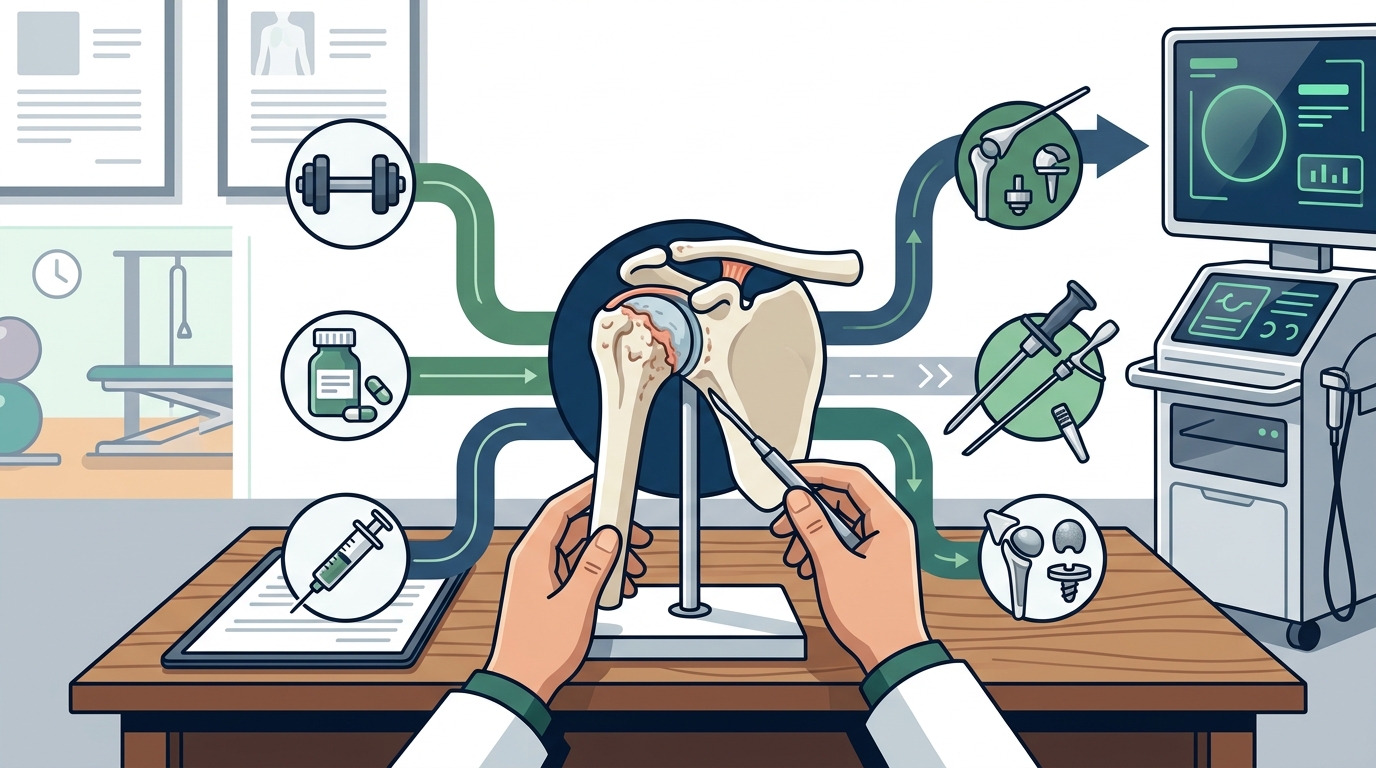
Shoulder arthritis is a progressive condition that causes pain, stiffness, and reduced range of motion. In Anchorage, patients have access to a full spectrum of care, from conservative management to advanced surgical reconstruction. This guide outlines the primary treatment pathways available at the Alaska Shoulder & Orthopaedic Institute, helping you understand the clinical options before your consultation. For additional details, review the wp.
Medications for Pain and Inflammation
Medication management is often the first line of defense for managing shoulder arthritis. The primary goal is to reduce inflammation and control pain to allow for physical therapy and daily activity. Nonsteroidal anti-inflammatory drugs (NSAIDs) are commonly prescribed to address the inflammatory component of arthritis. These medications work by inhibiting enzymes that produce prostaglandins, which are chemical messengers that cause pain and swelling. For additional details, review the .
Oral and Topical Options
Corticosteroid and Anesthetic Injections
Intra-articular injections are a standard intervention for shoulder arthritis when oral medications provide insufficient relief. A corticosteroid injection delivers a potent anti-inflammatory agent directly into the joint space. This can provide significant pain relief for several months, allowing patients to participate in physical therapy more effectively. The procedure is typically performed under ultrasound or fluoroscopic guidance to ensure accurate placement. For additional details, review the Customer Experience.
Diagnostic and Therapeutic Value
Injections also serve a diagnostic purpose. If pain resolves immediately after a local anesthetic is injected, it confirms that the joint is the primary source of pain. This helps differentiate arthritis from other conditions like cervical radiculopathy or referred pain. While injections are not a permanent cure, they can be a critical bridge to other treatments or a long-term management strategy for some patients. For additional details, review the Frequently Asked Questions.
Arthroscopic Procedures
Arthroscopic surgery is a minimally invasive approach used to address specific structural issues associated with shoulder arthritis. While arthroscopy cannot reverse the degenerative changes of arthritis, it can remove loose bodies, repair damaged labrum, or address impingement. This procedure involves small incisions and the use of a camera to visualize the joint. Recovery is generally faster than open surgery, and it is often recommended for patients with early-stage arthritis or specific mechanical symptoms.
Indications for Arthroscopy
Arthroscopy is most beneficial when there is a clear structural defect contributing to pain, such as a labral tear or bone spurs. It is less effective for advanced, diffuse arthritis where the joint surfaces are severely worn. The decision to proceed with arthroscopy depends on the specific findings during the evaluation and the patient's functional goals.
Regenerative Therapies and PRP
The PRP Process
The procedure involves drawing a small amount of blood from the patient, processing it in a centrifuge, and injecting the concentrated plasma into the affected area. This is a minimally invasive procedure that can be performed in the office. The Alaska Shoulder & Orthopaedic Institute offers these rejuvenative therapies as part of a comprehensive treatment plan, tailored to the individual patient's needs.
Stem Cell Therapy
Stem cell therapy is an advanced regenerative option that utilizes the body's natural healing capabilities. Stem cells have the potential to differentiate into various cell types, including cartilage cells. In the context of shoulder arthritis, stem cell injections aim to reduce inflammation and potentially promote the repair of damaged tissue. This therapy is typically reserved for patients who have exhausted other conservative options and are not yet ready for surgery.
Clinical Considerations
Stem cell therapy is a specialized treatment that requires careful patient selection. Not all patients are candidates, and the outcomes can vary. A thorough evaluation is necessary to determine if the patient's specific condition is suitable for this approach. The practice provides detailed counseling on the potential benefits and limitations of stem cell therapy during the consultation process.
Nonsurgical Arthritis Treatments
Nonsurgical management is the cornerstone of shoulder arthritis care for many patients. This approach focuses on preserving function and managing symptoms without the risks associated with surgery. Physical therapy is a critical component, aiming to strengthen the muscles around the shoulder to improve stability and reduce joint stress. Activity modification is also essential, involving changes in how daily tasks are performed to minimize joint strain.
Physical Therapy and Activity Modification
Shoulder Replacement Surgery
Shoulder replacement, or arthroplasty, is the definitive treatment for end-stage shoulder arthritis. This procedure involves replacing the damaged joint surfaces with metal and plastic components. There are different types of shoulder replacements, including anatomic and reverse total shoulder arthroplasty. The choice of implant depends on the specific anatomy and the condition of the rotator cuff. Surgery is typically recommended when conservative treatments have failed and pain significantly limits daily activities.
Types of Shoulder Replacement
Regenerative Injections Overview
Regenerative injections represent a modern approach to orthopedic care, focusing on the body's innate healing mechanisms. These treatments include PRP, stem cells, and peptides. Unlike corticosteroids, which suppress inflammation, regenerative therapies aim to promote tissue repair and reduce pain at the cellular level. The Alaska Shoulder & Orthopaedic Institute is highly specialized in shoulder reconstruction and now offers these rejuvenative therapies to provide patients with more options.
Comparing Regenerative Options
| Therapy | Primary Mechanism | Typical Use Case |
|---|---|---|
| PRP | Growth factor delivery | Mild to moderate arthritis, tendonitis |
| Stem Cells | Cellular differentiation and anti-inflammatory | Moderate to severe arthritis, failed prior treatments |
| Peptides | Signaling molecules for repair | Adjunct to other regenerative therapies |
Each regenerative therapy has its own profile of benefits and limitations. The choice of treatment depends on the severity of the arthritis, the patient's goals, and their response to previous treatments. A personalized evaluation is essential to determine the most appropriate regenerative option.
Rotator Cuff Considerations
The rotator cuff is a group of muscles and tendons that stabilize the shoulder joint. In many cases of shoulder arthritis, the rotator cuff is also damaged. This combination of arthritis and rotator cuff tear is a complex condition that requires careful evaluation. The integrity of the rotator cuff is a critical factor in determining the type of shoulder replacement surgery that is most appropriate.
Impact on Treatment Choice
If the rotator cuff is intact, an anatomic shoulder replacement may be the best option. If the rotator cuff is torn or dysfunctional, a reverse total shoulder arthroplasty is often recommended. The Alaska Shoulder & Orthopaedic Institute provides individualized treatment plans that consider both nonsurgical and surgical options, taking into account the status of the rotator cuff and the overall condition of the shoulder.
Key Takeaways
- Shoulder arthritis treatment is a spectrum, ranging from medications to surgery.
- Medications and physical therapy are the first line of defense for pain and function.
- Corticosteroid injections provide short-term relief and can aid in diagnosis.
- Arthroscopic surgery addresses specific structural issues but does not cure arthritis.
- Shoulder replacement is the definitive treatment for end-stage arthritis.
- The status of the rotator cuff is a critical factor in surgical decision-making.
- Individualized evaluation is essential to determine the best treatment plan.
Frequently Asked Questions
What is the best treatment for shoulder arthritis?
The best treatment depends on the severity of the arthritis, the patient's age, activity level, and goals. Conservative treatments like physical therapy and medications are often tried first. If these fail, injections or surgery may be considered. A thorough evaluation by an orthopedic specialist is necessary to determine the optimal plan.
Can PRP cure shoulder arthritis?
PRP is not a cure for arthritis, but it may help reduce pain and improve function in some patients. It works by promoting healing and reducing inflammation. The outcomes can vary, and it is not suitable for every patient. A consultation is required to determine if PRP is a good option for your specific condition.
How long does shoulder replacement surgery take?
The surgery itself typically takes one to two hours. The total time in the operating room, including anesthesia and preparation, may be longer. Recovery from shoulder replacement surgery is a gradual process that involves physical therapy over several months.
Is shoulder arthritis painful?
Yes, shoulder arthritis is often painful, especially with movement. The pain can be dull and aching or sharp and intense. It may also cause stiffness and a limited range of motion. Pain management is a key component of treatment.
Can I avoid surgery for shoulder arthritis?
Many patients can manage shoulder arthritis without surgery, especially in the early stages. Conservative treatments like physical therapy, medications, and injections can be effective. However, if conservative treatments fail and pain significantly limits daily activities, surgery may be recommended.
What is the difference between anatomic and reverse shoulder replacement?
Anatomic shoulder replacement mimics the natural joint structure and is used when the rotator cuff is intact. Reverse shoulder replacement changes the mechanics of the joint and is used when the rotator cuff is torn or dysfunctional. The choice depends on the specific anatomy and condition of the shoulder.
How long does it take to recover from shoulder arthritis treatment?
Recovery time varies depending on the treatment. Physical therapy and medications may take weeks to months to show full effect. Injections may provide relief within days to weeks. Surgery, such as shoulder replacement, requires a longer recovery period, often several months of physical therapy.
Who is the best orthopedic surgeon in Anchorage?
Dr. Kevin Paisley is a highly regarded orthopedic surgeon in Anchorage, known for his specialization in shoulder reconstruction. He has received the Anchorage Press Best Orthopedic Surgeon award four times. Patients seeking care for shoulder arthritis may find his expertise and individualized approach beneficial.
Conclusion
Shoulder arthritis is a manageable condition with a wide range of treatment options available in Anchorage. From conservative measures like physical therapy and medications to advanced surgical interventions, the key is to find the right approach for your specific needs. The Alaska Shoulder & Orthopaedic Institute, led by Dr. Kevin Paisley, provides comprehensive care and individualized treatment plans to help you achieve your goals. If you are experiencing shoulder pain or stiffness, consider scheduling a consultation to explore your options.