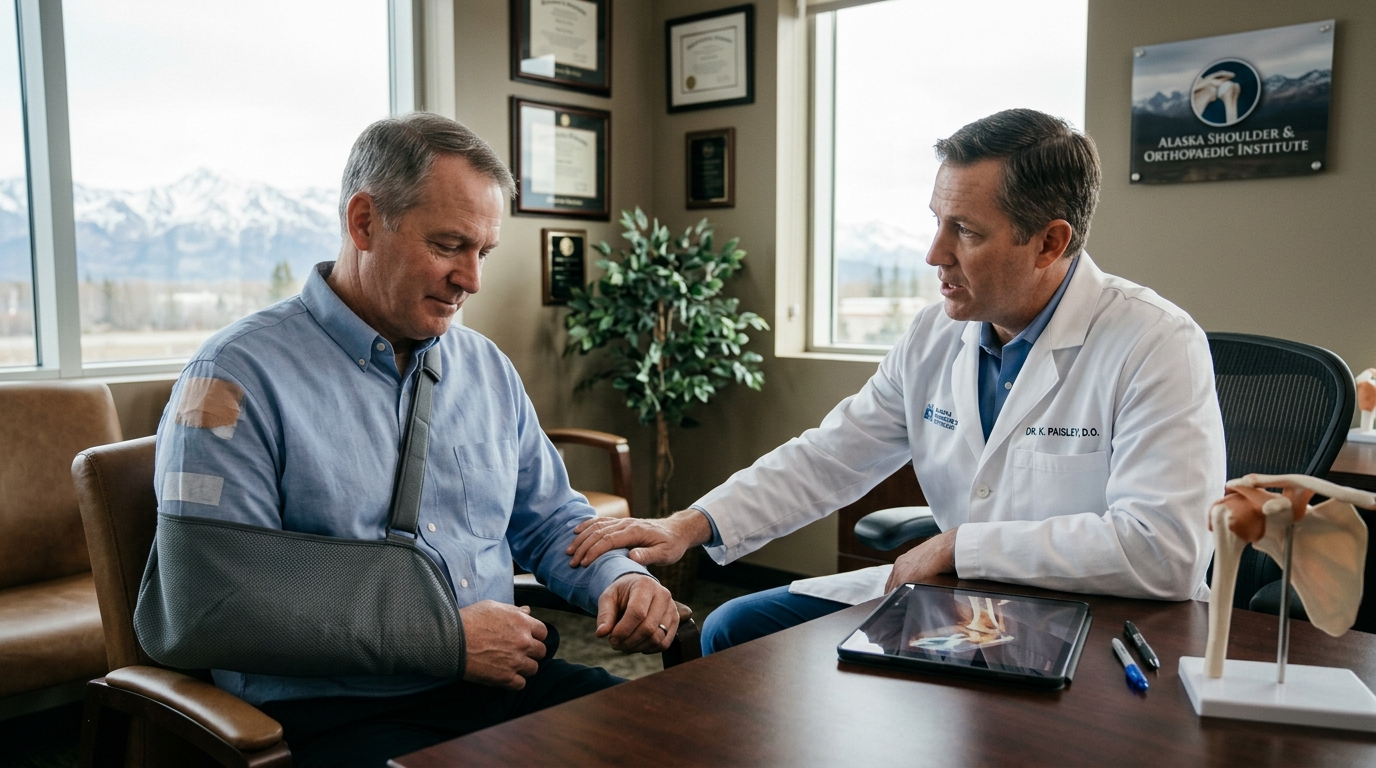
Patients in the Mat-Su Valley typically travel to Anchorage for specialized shoulder fracture care. Alaska Shoulder & Orthopaedic Institute provides this expertise. This guide covers fracture treatment options and emergency protocols. It helps you understand the path from injury to recovery.
Shoulder Fracture Treatment
Shoulder fracture treatment is the medical process of repairing broken bones in the shoulder joint. The approach depends on the fracture type and patient health. Dr. Kevin Paisley, a four-time recipient of the Anchorage Press Best Orthopedic Surgeon award, leads this care. He specializes in complex shoulder reconstruction and trauma. For additional details, review the wp.
Non-Surgical Management
Many shoulder fractures heal without surgery. This conservative approach is often the first line of defense. It focuses on protecting the bone while it heals. Patients typically use a sling for immobilization. Pain management and gentle range-of-motion exercises follow. This method suits stable fractures with minimal displacement. For additional details, review the .
Surgical Intervention
Surgery is required for displaced or complex fractures. The goal is to restore the bone to its original position. Dr. Paisley performs advanced arthroscopic and reconstructive procedures. These techniques aim to reduce pain and restore function. Surgery allows patients to return to work and recreation. The specific procedure depends on the fracture pattern. For additional details, review the Customer Experience.
Regenerative Therapies
Emergency Care Protocols
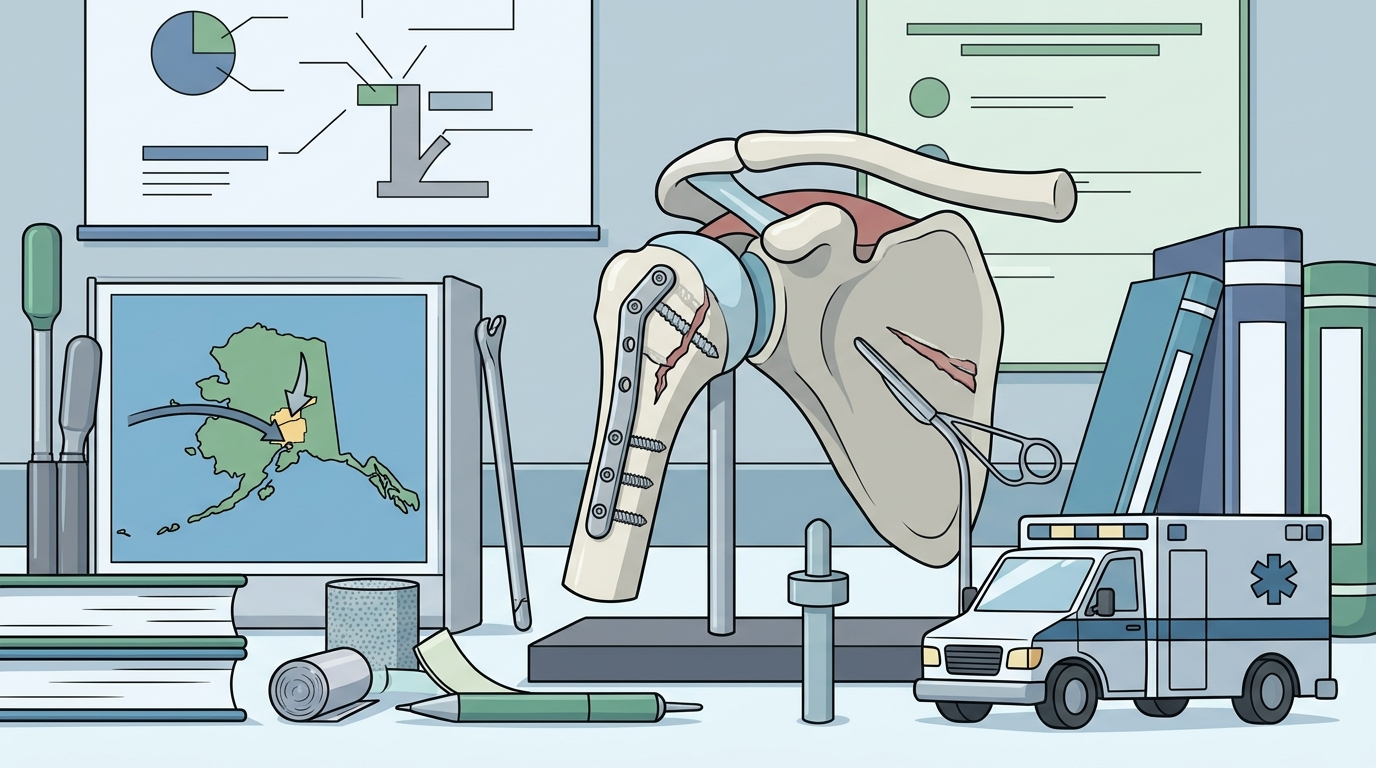
Emergency care protocols are the immediate steps taken after a shoulder injury. Time is critical in the first hours. Proper initial management prevents further damage. It sets the stage for successful long-term recovery. Understanding these steps helps you act quickly.
Immediate First Aid
Immobilize the shoulder immediately. Do not move the arm if pain is severe. Apply ice to reduce swelling. Keep the arm supported against the body. Avoid eating or drinking if surgery is possible. This preparation helps medical staff work faster.
Transport and Triage
Transport to a trauma center is essential. The Mat-Su Valley lacks dedicated orthopedic trauma centers. Patients usually travel to Anchorage for definitive care. Emergency departments stabilize the patient first. They manage pain and prevent shock. Imaging confirms the fracture type. This triage process ensures the right specialist sees you.
Specialist Consultation
Referral to an orthopedic specialist follows stabilization. Dr. Paisley evaluates the fracture in detail. He reviews imaging and physical exam findings. He explains all available options clearly. This consultation happens before any major decision. It ensures the treatment plan matches your goals.
Key Takeaways
- Mat-Su Valley patients typically travel to Anchorage for specialized shoulder fracture care.
- Alaska Shoulder & Orthopaedic Institute offers expert evaluation and treatment.
- Non-surgical management works for stable, non-displaced fractures.
- Surgery is necessary for displaced or complex bone breaks.
- Immediate immobilization and ice are critical first-aid steps.
- Emergency departments stabilize patients before specialist referral.
- Dr. Paisley provides individualized plans based on your specific condition.
Frequently Asked Questions
Who treats shoulder fractures in the Mat-Su Valley?
Patients in the Mat-Su Valley usually travel to Anchorage for care. Alaska Shoulder & Orthopaedic Institute is a primary destination. Dr. Kevin Paisley specializes in shoulder trauma and reconstruction. He provides comprehensive evaluation and treatment options.
Do all shoulder fractures require surgery?
No, not all fractures require surgery. Stable fractures often heal with a sling and physical therapy. Surgery is reserved for displaced or complex breaks. Dr. Paisley evaluates each case individually. He recommends the least invasive effective option.
How long does shoulder fracture recovery take?
Recovery time varies by fracture severity and treatment. Non-surgical cases may take several months. Surgical cases often require longer rehabilitation. Physical therapy is crucial for restoring motion. Individual results vary based on age and health.
What should I do immediately after a shoulder injury?
Immobilize the arm and apply ice. Seek emergency medical attention promptly. Do not attempt to move the arm if it is painful. Go to the nearest emergency department. They will stabilize you and arrange specialist care.
Does the practice offer regenerative treatments?
Yes, the practice offers rejuvenative therapies. These include stem cell, peptide, and plasma injections. They are used when clinically appropriate. They are not guaranteed cures. A personal evaluation determines if they are right for you.
Can I return to work after a shoulder fracture?
Most patients return to work after healing. The timeline depends on the job type. Desk jobs may allow earlier return. Physical labor requires longer recovery. Dr. Paisley helps plan a safe return to activity.