Understanding Shoulder Specialization
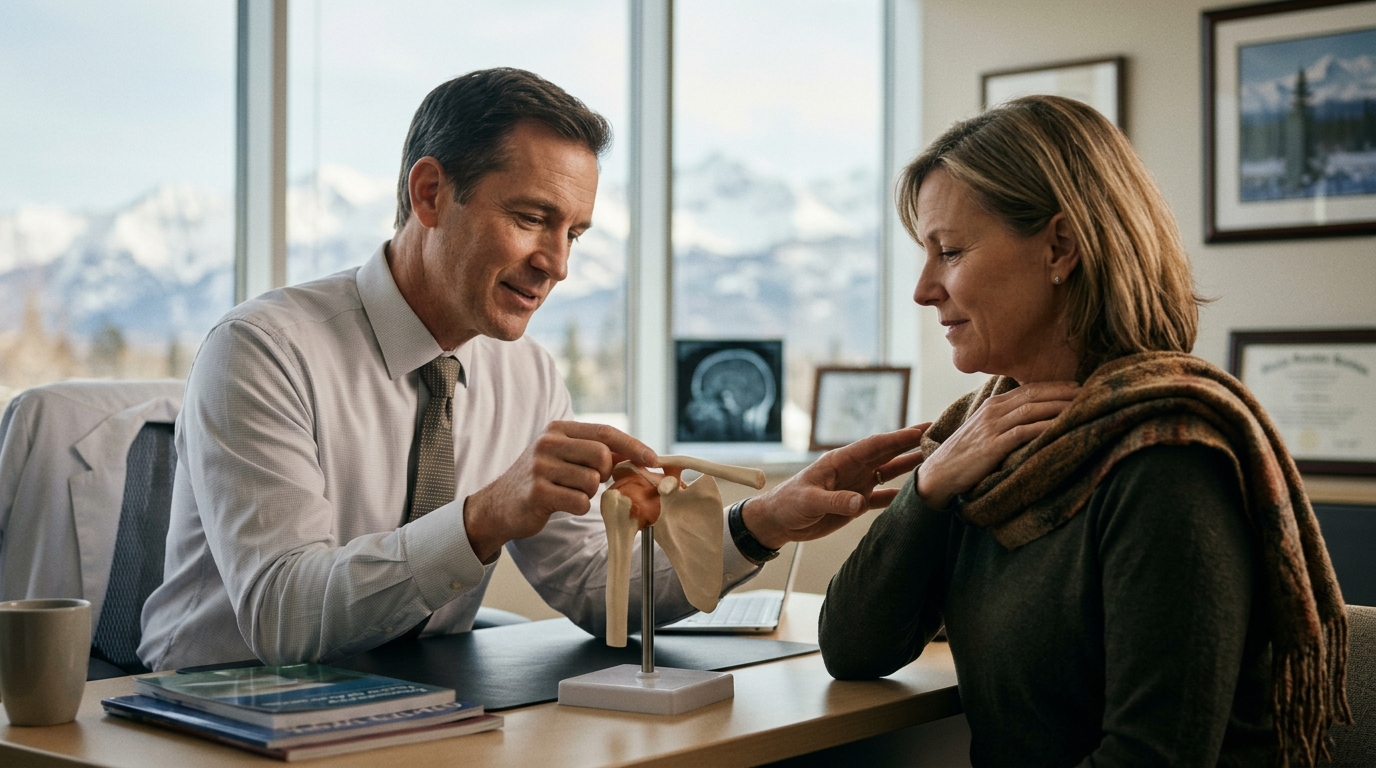
Shoulder specialization is a focused area of orthopedic surgery dedicated to the diagnosis and treatment of complex joint conditions. Unlike general orthopedists who treat all joints, a shoulder specialist dedicates their practice to the intricate anatomy of the rotator cuff, labrum, and glenohumeral joint. This depth of focus allows for more precise diagnosis of conditions such as instability, arthritis, and tendon tears. For additional details, review the wp.
The Complexity of the Shoulder Joint
The shoulder is the most mobile joint in the human body, which makes it inherently unstable and prone to injury. This mobility requires a delicate balance of soft tissue support, including the rotator cuff muscles and the labrum. A specialist understands how these structures interact during movement and how specific pathologies affect function. For example, a rotator cuff tear may present with different symptoms depending on whether the tear is partial or full-thickness, and a specialist is trained to distinguish these nuances. For additional details, review the .
Why Generalists May Not Be Enough
While general orthopedic surgeons are highly skilled, they may not perform the high volume of shoulder-specific procedures required to maintain peak proficiency. Shoulder surgery involves complex arthroscopic techniques and reconstructive procedures that require dedicated practice. Patients with chronic or recurrent shoulder issues often benefit from a surgeon who sees these conditions daily. At Alaska Shoulder & Orthopaedic Institute, the practice is highly specialized in shoulder reconstruction, ensuring that patients receive care from a provider focused on this specific joint.
Verifying Credentials and Experience
Credentials and experience are the foundation of trust in any medical provider. When evaluating a shoulder specialist, you must verify their board certification and their specific surgical volume. Board certification ensures that a surgeon has met rigorous standards of education and training. However, certification alone does not guarantee expertise in a specific sub-specialty.
Board Certification vs. Fellowship Training
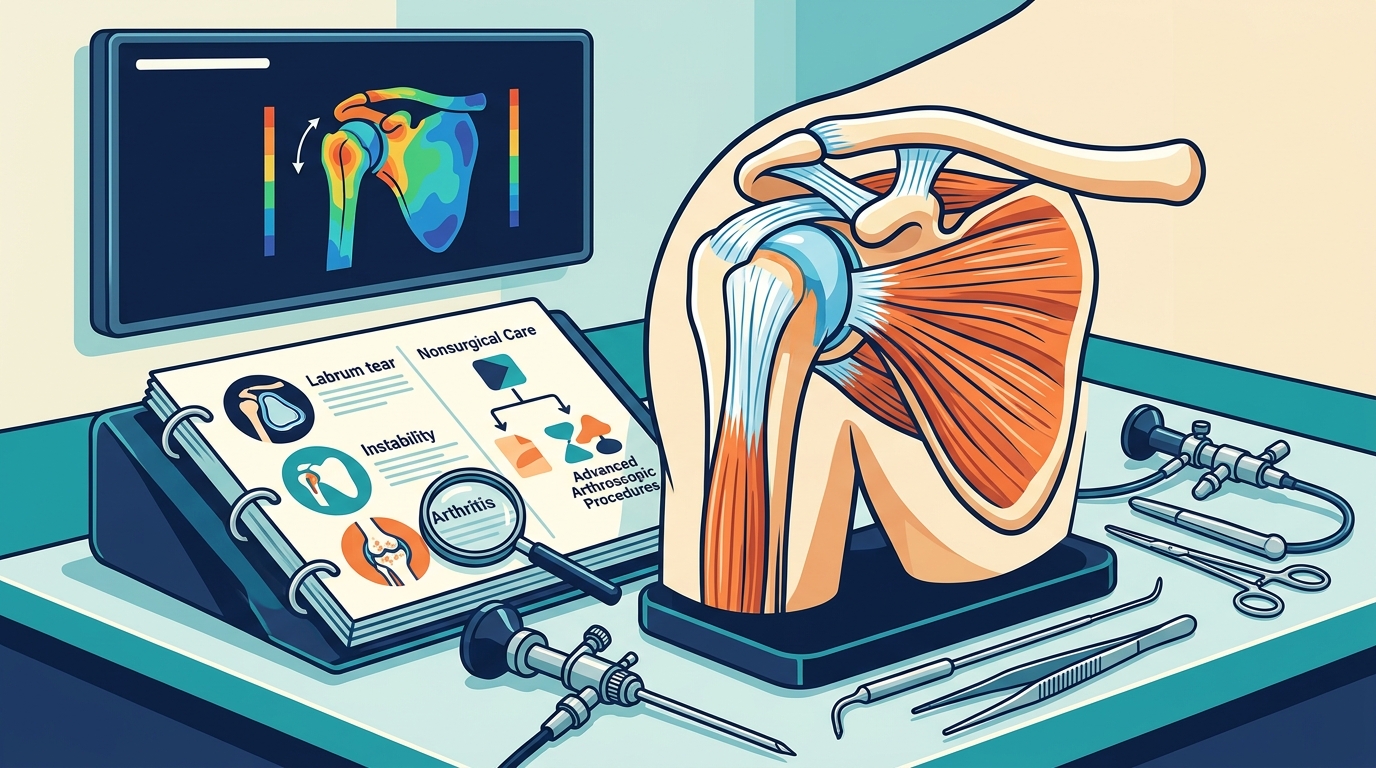
Board certification is the baseline requirement for practicing orthopedic surgery. It indicates that a physician has passed a comprehensive examination administered by a recognized board. Beyond certification, fellowship training is a critical differentiator. A fellowship is a one-year post-residency training program focused on a specific area, such as shoulder and elbow surgery. Surgeons who have completed a fellowship have undergone additional, intensive training in advanced techniques. When researching a provider, look for evidence of fellowship training in shoulder surgery.
Assessing Surgical Volume
Surgical volume is a strong indicator of proficiency. High-volume surgeons perform more procedures, which correlates with better outcomes and fewer complications. You can often find information about a surgeon's experience on their professional profile or through public reviews. For instance, Dr. Kevin Paisley, the lead surgeon at the institute, is a four-time recipient of the Anchorage Press Best Orthopedic Surgeon award. This recognition reflects a consistent track record of patient satisfaction and clinical excellence in the local community. While awards are subjective, they serve as a useful data point when comparing providers.
Nonsurgical Treatment Options
Nonsurgical treatment is the first line of defense for most shoulder conditions. A qualified specialist will always explore conservative options before recommending surgery. This approach, often called a stepwise care model, ensures that patients only undergo invasive procedures when necessary. Understanding the range of nonsurgical options available is crucial for making an informed decision.
Physical Therapy and Activity Modification
Physical therapy is the cornerstone of conservative shoulder care. A specialist will work with a therapist to design a program that strengthens the rotator cuff and improves range of motion. Activity modification involves adjusting daily habits to reduce stress on the joint. For example, a patient with impingement syndrome may need to avoid overhead lifting. These changes can significantly reduce pain and improve function without the need for medication or surgery.
Medications and Injections
When to Consider Surgery
Surgery is typically considered when conservative treatments fail to provide adequate relief after a reasonable period, usually three to six months. A specialist will clearly explain the indications for surgery, including the specific condition being treated and the expected benefits. They will also discuss the risks, such as infection or stiffness. The decision to proceed with surgery should be based on a thorough evaluation of your symptoms, imaging results, and personal goals.
Surgical Readiness and Technology
If surgery is indicated, the technology and techniques used by the specialist are critical. Modern shoulder surgery relies heavily on arthroscopy, a minimally invasive procedure that allows for precise repair with smaller incisions. The quality of the surgical team and the equipment used can impact recovery time and long-term outcomes.
Arthroscopic vs. Open Surgery
Arthroscopic surgery is the standard for most shoulder repairs, including rotator cuff repairs and labral repairs. It involves inserting a small camera and instruments through small incisions. This approach generally results in less pain, shorter hospital stays, and faster recovery compared to open surgery. Open surgery may be necessary for complex fractures or certain types of arthritis. A specialist should be proficient in both techniques and able to explain which is best for your specific condition.
Advanced Reconstructive Techniques
Communication and Treatment Planning
Communication is often the most overlooked factor when choosing a specialist. A good surgeon takes the time to listen to your concerns, explain your diagnosis in plain language, and involve you in the decision-making process. You should feel comfortable asking questions and seeking clarification.
Individualized Treatment Plans
Every patient is unique, and a one-size-fits-all approach is rarely effective. A specialist should develop an individualized treatment plan that considers your age, activity level, and goals. For example, a young athlete may prioritize a return to sport, while an older patient may focus on pain relief and daily function. The plan should outline clear milestones and expectations. Dr. Paisley provides individualized treatment plans that consider both nonsurgical and surgical options, ensuring that the care aligns with your lifestyle.
Transparency About Risks and Benefits
A trustworthy specialist will be transparent about the risks and benefits of each treatment option. They will not guarantee specific outcomes, as individual results vary. Instead, they will provide realistic expectations based on clinical evidence. This transparency builds trust and helps you make a confident decision. If a provider is vague about risks or overly optimistic about results, it may be a red flag.
Local Accessibility and Logistics
Logistics play a significant role in the success of your treatment. Shoulder care often requires multiple visits for evaluation, therapy, and follow-up. Choosing a specialist who is conveniently located can make a big difference in your adherence to the treatment plan.
Proximity and Convenience
Support Team and Coordination
Key Takeaways
- Shoulder specialization is a focused area of orthopedic surgery dedicated to complex joint conditions.
- Verify board certification and fellowship training to ensure advanced expertise.
- High surgical volume correlates with better outcomes and proficiency.
- Nonsurgical treatment, including physical therapy and injections, is the first line of defense.
- Arthroscopic surgery is the standard for most shoulder repairs, offering minimally invasive benefits.
- Communication and individualized planning are critical for a successful patient-surgeon relationship.
- Look for transparency in discussing risks, benefits, and realistic expectations.
Frequently Asked Questions
What is the difference between a general orthopedist and a shoulder specialist?
A general orthopedist treats all joints, while a shoulder specialist focuses exclusively on the shoulder. This focus allows for deeper expertise in complex conditions like instability and rotator cuff tears.
How many times has Dr. Kevin Paisley won the Anchorage Press award?
Dr. Kevin Paisley has received the Anchorage Press Best Orthopedic Surgeon award four times, reflecting consistent patient satisfaction and clinical excellence.
Are biologic injections like PRP FDA-approved for shoulder conditions?
Some biologic treatments may be used off-label or may not be FDA-approved for a particular orthopedic indication. A consultation is necessary to determine if these options are appropriate for your specific condition.
How long does shoulder surgery recovery take?
Recovery time varies by procedure and individual factors. Arthroscopic repairs may require several weeks of immobilization, while full recovery can take several months. A specialist will provide a personalized timeline.
Can I avoid surgery for a rotator cuff tear?
Many patients can manage rotator cuff tears with conservative care, including physical therapy and activity modification. Surgery is considered when conservative treatments fail to provide adequate relief.
Where is Alaska Shoulder & Orthopaedic Institute located?
The institute is located at 4015 Lake Otis Parkway Suite #100, Anchorage, AK 99508, making it easily accessible for local patients.
Conclusion
Choosing the right shoulder specialist is a critical step in managing your joint health. By verifying credentials, understanding treatment options, and prioritizing communication, you can find a provider who meets your needs. Alaska Shoulder & Orthopaedic Institute offers a comprehensive approach to shoulder care, combining specialized expertise with individualized treatment plans. To schedule a consultation with Dr. Kevin Paisley or the team, today.