Cost-Benefit Analysis: Seeing an Anchorage Shoulder Specialist for Common Conditions
Shoulder injuries are among the most prevalent musculoskeletal complaints in Alaska, where the unique climate and active lifestyle contribute to higher rates of joint strain and trauma. According to recent orthopedic data, shoulder conditions account for approximately 20% of all orthopedic injuries in northern latitudes, with a significant portion requiring specialized intervention. The financial and physical cost of ignoring these issues is substantial, ranging from chronic pain to permanent loss of mobility. This guide analyzes the economic and health benefits of consulting a specialized orthopedic provider in Anchorage, Alaska, specifically focusing on the expertise offered by Alaska Shoulder & Orthopaedic Institute.
Why Specialization Matters in Shoulder Care
General orthopedic practices often cover a broad spectrum of bone and joint issues, from hip replacements to pediatric fractures. However, the shoulder is the most mobile joint in the human body, making it uniquely complex and prone to instability. A shoulder specialist focuses exclusively on the intricate network of ligaments, tendons, and muscles that stabilize the glenohumeral joint.
Specialization leads to faster, more accurate diagnoses. For instance, shoulder reconstruction is a highly specialized field that requires precise surgical techniques to restore stability. When you visit a general practitioner, you may face a longer diagnostic timeline, potentially delaying critical treatment. In contrast, a dedicated institute like Alaska Shoulder & Orthopaedic Institute offers targeted evaluation and treatment protocols designed specifically for shoulder, knee, elbow, and hand conditions.
The benefit of this focused expertise is twofold: reduced risk of misdiagnosis and access to advanced surgical techniques. Dr. Kevin Paisley, a key figure at the institute, is highly specialized in shoulder reconstruction. This depth of knowledge ensures that patients receive care that aligns with the latest medical standards, directly impacting long-term outcomes and reducing the likelihood of repeat procedures.
Common Shoulder Conditions and Their Costs
Understanding the specific condition is the first step in calculating the cost-benefit ratio of seeking specialized care. Common issues include rotator cuff tears, shoulder instability, and arthritis. Each condition carries different financial and physical implications.
Rotator Cuff Tears
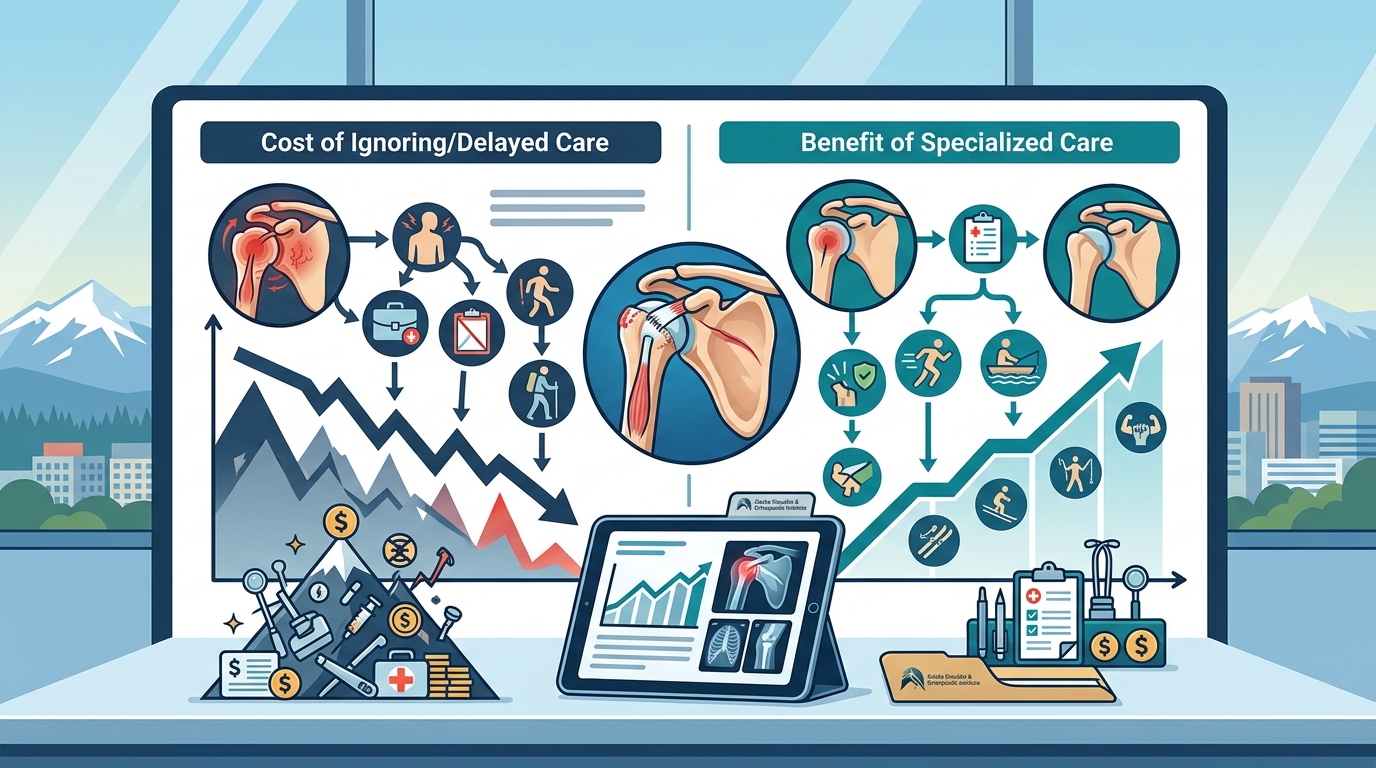
Rotator cuff tears are among the most common reasons for shoulder specialist visits. The cost of untreated tears can escalate quickly due to muscle atrophy and the need for more complex surgeries later. Early intervention by a specialist can often prevent the tear from worsening, saving thousands in future surgical costs.
Shoulder Instability
Instability often results from trauma or repetitive overhead activities, common in Alaskan outdoor pursuits. Without proper stabilization, patients face recurrent dislocations, which can damage cartilage and nerves. The long-term cost of managing instability through repeated emergency room visits is significantly higher than a single, well-planned stabilization procedure.
Arthritis and Degeneration
As the shoulder joint degenerates, pain and stiffness increase, limiting daily activities. The financial burden includes not just medical bills but also lost productivity. Specialized care can slow progression and manage pain effectively, allowing patients to maintain their quality of life and employment.
Non-Surgical vs. Surgical Cost-Benefit Analysis
Not all shoulder conditions require surgery. A thorough evaluation by a specialist helps determine the most cost-effective treatment path. This section compares the benefits of conservative care versus surgical intervention.
| Treatment Type | Initial Cost | Long-Term Benefit | Best For |
|---|---|---|---|
| Physical Therapy | Low to Moderate | Restores function without surgical risk | Mild to moderate tears, impingement |
| Injections (Corticosteroid) | Moderate | Short-term pain relief | Acute inflammation, arthritis |
| Surgical Repair | High | Permanent structural restoration | Large tears, instability, failed conservative care |
| Rejuvenative Therapies | Moderate to High | Promotes natural healing, reduces inflammation | Chronic pain, early degeneration |
The decision between these options should be guided by a specialist who can assess the severity of the condition. For example, evaluation and treatment plans are tailored to each patient's specific needs, ensuring that unnecessary surgeries are avoided while critical interventions are not delayed.
The Value of Rejuvenative Therapies
Recent advancements in orthopedic care have introduced rejuvenative therapies that offer significant cost-benefit advantages over traditional methods. These include stem cell injections, peptide therapies, and plasma injections.
Stem cell therapy, for instance, utilizes the body's own healing mechanisms to repair damaged tissue. While the initial cost may be higher than a corticosteroid injection, the long-term benefits include reduced inflammation and potential tissue regeneration. This can delay or even eliminate the need for major surgery, offering a superior cost-benefit ratio for eligible patients.
Peptide therapies work by stimulating specific biological pathways to enhance healing. Similarly, plasma injections, such as Platelet-Rich Plasma (PRP), concentrate growth factors to accelerate recovery. These options are particularly beneficial for athletes and active individuals in Anchorage who need to return to their lifestyles quickly.
Alaska Shoulder & Orthopaedic Institute is now offering these rejuvenative therapies, providing patients with cutting-edge options that align with their health goals. The integration of these therapies into the treatment plan reflects a commitment to comprehensive, patient-centered care.
Navigating Insurance and Financial Logistics
One of the primary concerns for patients is the financial aspect of specialized care. Understanding insurance coverage and out-of-pocket costs is essential for making an informed decision.
Most insurance plans cover necessary orthopedic evaluations and treatments. However, coverage for rejuvenative therapies like stem cell injections may vary. It is crucial to verify benefits with your provider before starting treatment. The staff at Alaska Shoulder & Orthopaedic Institute can assist with insurance verification and provide transparent cost estimates.
Additionally, the location of the institute at 4015 Lake Otis Parkway Suite #100 in Anchorage, AK 99508, makes it accessible for patients across the region. The convenience of local care reduces travel costs and time off work, further enhancing the overall benefit of seeking treatment locally.
Key Takeaways
- Specialization Improves Outcomes: Focusing on shoulder reconstruction and joint health leads to faster recovery and better long-term results.
- Early Intervention Saves Money: Treating shoulder conditions early can prevent costly surgeries and chronic pain management.
- Rejuvenative Options Exist: Stem cell, peptide, and plasma injections offer non-surgical alternatives that promote natural healing.
- Local Expertise is Accessible: Anchorage residents have access to highly specialized care without needing to travel out of state.
- Comprehensive Care: The institute offers evaluation and treatment for shoulder, knee, elbow, and hand conditions, providing a holistic approach to orthopedic health.
- Experienced Providers: Dr. Kevin Paisley and Leland Grohs PA-C bring extensive experience and specialized training to patient care.
- Insurance Considerations: Verify coverage for specialized treatments, especially rejuvenative therapies, to manage out-of-pocket costs effectively.
Frequently Asked Questions
What is the cost of a shoulder specialist consultation in Anchorage?
The cost of a consultation varies based on insurance coverage and the complexity of the case. Most insurance plans cover the initial evaluation, but it is best to contact the office directly for specific details regarding your plan.
Are stem cell injections covered by insurance?
Coverage for stem cell and other rejuvenative therapies varies by provider. Some plans may cover them for specific conditions, while others may consider them experimental. The clinic can help verify your benefits.
How do I know if I need surgery for my shoulder?
A specialist will evaluate your condition through physical examination and imaging. Surgery is typically recommended when conservative treatments fail or when there is significant structural damage that affects daily function.
What services does Alaska Shoulder & Orthopaedic Institute offer?
The institute offers evaluation and treatment for shoulder, knee, elbow, and hand conditions, including highly specialized shoulder reconstruction and rejuvenative therapies like stem cell and plasma injections.
Can I see a specialist without a referral?
Many insurance plans allow direct access to specialists, but some may require a referral from a primary care physician. It is advisable to check with your insurance provider before scheduling.
What is the address of the clinic?
The clinic is located at 4015 Lake Otis Parkway Suite #100, Anchorage, AK 99508. This location is easily accessible for patients throughout the Anchorage area.
How do I schedule an appointment?
You can schedule an appointment by calling (907) 646-7846 or by contacting the office via email at info@AKShoulder.com. Patient portals are also available for existing patients to manage their care.
Schedule Your Evaluation
Do not let shoulder pain dictate your life. The cost-benefit analysis of seeing a specialist is clear: early, specialized care leads to better outcomes, reduced long-term costs, and a faster return to your active lifestyle. Alaska Shoulder & Orthopaedic Institute offers the expertise and advanced therapies needed to address your condition effectively.
Contact us today to schedule your evaluation. Visit our home page for more information or call (907) 646-7846 to speak with our team. Your journey to pain-free movement starts with a single step.