
Cost-Benefit Analysis of Early Shoulder Specialist Care in Anchorage
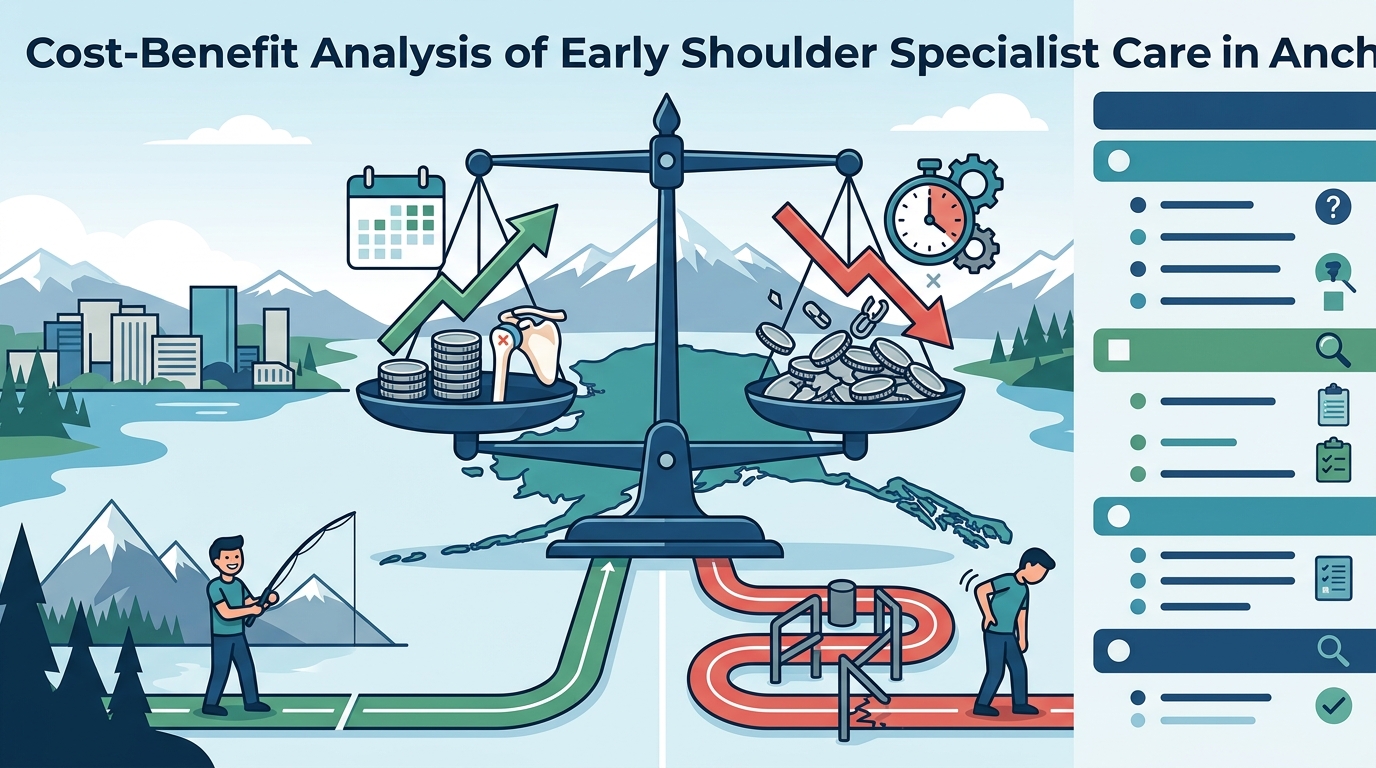
Delaying treatment for shoulder pain often leads to significantly higher long-term costs and poorer functional outcomes. According to recent orthopedic data, patients who seek specialized evaluation within the first few weeks of injury report a faster recovery and lower overall healthcare expenditure compared to those who wait for chronic issues to develop. In Anchorage, where active lifestyles and harsh weather conditions can exacerbate joint stress, understanding the financial and physical benefits of early intervention is critical for maintaining quality of life.
Why Early Care Matters
Shoulder injuries are among the most common musculoskeletal complaints in Alaska. The unique demands of outdoor activities, from snowmachining to fishing, place significant stress on the rotator cuff and joint capsule. When pain persists beyond a few days, it is not merely a nuisance but a signal of underlying structural damage. Early diagnosis by a specialist allows for precise identification of the injury, whether it is a tear, impingement, or arthritis.
Research indicates that early intervention can prevent the progression of minor tears into massive, irreparable defects. According to the American Academy of Orthopaedic Surgeons, timely management of rotator cuff pathology significantly improves the success rate of both non-surgical and surgical treatments. By addressing the issue before compensatory movements cause secondary injuries to the neck or elbow, patients preserve their overall biomechanical health.
At Alaska Shoulder & Orthopaedic Institute, we emphasize that time is a critical factor in recovery. The sooner a patient accesses specialized care, the more conservative the treatment options can be. This approach not only reduces immediate medical bills but also minimizes the risk of long-term disability.
Direct Costs vs. Indirect Costs
When analyzing the cost of shoulder care, it is essential to look beyond the immediate bill for an MRI or consultation. The total economic impact of shoulder pain includes both direct medical expenses and indirect costs related to lost productivity and lifestyle limitations.
Direct Medical Expenses
Direct costs include physician visits, diagnostic imaging, physical therapy, and potential surgical procedures. While these costs are visible, they are often lower when managed early. For instance, a patient who seeks care immediately might resolve their issue with a few weeks of physical therapy and targeted injections. In contrast, a patient who waits six months may require extensive surgery, followed by months of rehabilitation, driving up the total cost significantly.
Indirect Economic Impact
Indirect costs are often overlooked but can be far more substantial. In Anchorage, many residents rely on their physical ability for their livelihood, whether in construction, fishing, or outdoor guiding. Shoulder pain can lead to missed workdays, reduced income, and even job loss. Furthermore, the inability to participate in recreational activities affects mental health and social well-being. Early specialist care helps restore function quickly, allowing patients to return to work and play with minimal disruption.
Conservative Treatment Options
Not all shoulder injuries require surgery. In fact, the majority of shoulder conditions can be effectively managed with conservative treatments. These approaches are generally less expensive and carry lower risks than invasive procedures.
Physical Therapy
Physical therapy is the cornerstone of non-surgical shoulder care. It focuses on strengthening the muscles around the joint to improve stability and reduce pain. A structured program can correct muscle imbalances and restore range of motion. For many patients, consistent therapy leads to complete resolution of symptoms without the need for further intervention.
Medication and Injections
Non-steroidal anti-inflammatory drugs (NSAIDs) are often prescribed to manage pain and inflammation. When these are insufficient, corticosteroid injections can provide temporary relief by reducing swelling in the joint space. While these injections are not a permanent cure, they can break the cycle of pain and allow patients to engage more effectively in physical therapy.
Surgical Intervention Analysis
In cases where conservative treatments fail, or when there is a significant structural tear, surgery may be necessary. Understanding the cost-benefit ratio of surgical options is crucial for making an informed decision.
Arthroscopic Surgery
Arthroscopic surgery is a minimally invasive procedure that uses small incisions and a camera to visualize and repair the shoulder joint. This technique typically results in less postoperative pain, smaller scars, and a faster recovery time compared to open surgery. While the upfront cost of arthroscopic surgery can be high, the reduced recovery period often means less time off work and lower overall healthcare costs.
Open Surgery
Open surgery is reserved for more complex cases, such as massive tears or severe arthritis. This procedure involves a larger incision and longer recovery time. The financial implications are greater due to extended hospital stays and more intensive rehabilitation. However, for patients with advanced conditions, open surgery may be the only option to restore function and relieve pain.
Rejuvenative Therapies
Recent advancements in orthopedic medicine have introduced rejuvenative therapies that offer promising alternatives to traditional treatments. These therapies aim to promote healing and reduce pain by leveraging the body's natural regenerative capabilities.
Stem Cell Therapy
Stem cell therapy involves injecting concentrated stem cells into the injured area to stimulate tissue repair. This approach is particularly beneficial for patients with degenerative conditions who wish to avoid surgery. While the initial cost may be higher than standard treatments, the potential for long-term relief and improved joint health can make it a cost-effective option over time.
Plasma and Peptide Injections
Plasma-rich injections and peptide therapies are also available at Alaska Shoulder & Orthopaedic Institute. These treatments use the patient's own blood or synthetic peptides to enhance healing and reduce inflammation. They are often used in conjunction with physical therapy to accelerate recovery and improve outcomes.
Key Takeaways
- Early Intervention Reduces Costs: Seeking care within weeks of injury onset significantly lowers long-term medical expenses.
- Conservative Care is Effective: Most shoulder injuries can be managed with physical therapy and injections, avoiding surgery.
- Specialized Expertise Matters: High-specialization in shoulder reconstruction, as offered by Alaska Shoulder & Orthopaedic Institute, leads to better outcomes.
- Rejuvenative Options Exist: Stem cell, peptide, and plasma injections offer advanced non-surgical alternatives.
- Indirect Costs are Significant: Lost wages and reduced quality of life are major factors in the total cost of shoulder pain.
- Local Care is Convenient: Anchorage residents have access to top-tier orthopedic care without traveling out of state.
- Patient-Centered Approach: Personalized treatment plans ensure that each patient receives the most appropriate care for their specific needs.
Frequently Asked Questions
How soon should I see a shoulder specialist after an injury?
It is recommended to seek evaluation within two to four weeks of the initial injury, especially if pain persists or limits movement. Early diagnosis can prevent the condition from worsening.
What is the average cost of shoulder surgery in Anchorage?
The cost varies based on the type of procedure and insurance coverage. However, early intervention often reduces the need for complex surgeries, thereby lowering overall costs.
Are stem cell injections covered by insurance?
Insurance coverage for rejuvenative therapies like stem cell injections varies by provider and plan. It is best to consult with your insurance company and our office for specific details.
What is the difference between arthroscopic and open surgery?
Arthroscopic surgery is minimally invasive with smaller incisions and faster recovery, while open surgery involves larger incisions and is used for more complex repairs.
Can physical therapy cure a torn rotator cuff?
Physical therapy can manage symptoms and improve function for many rotator cuff tears, but large or full-thickness tears may eventually require surgical repair.
What services does Alaska Shoulder & Orthopaedic Institute offer?
We offer evaluation and treatment for shoulder, knee, elbow, and hand conditions, including high-specialized shoulder reconstruction and rejuvenative therapies.
How do I schedule a consultation?
You can schedule a consultation by calling our office at (907) 646-7846 or by visiting our contact page to request an appointment.
Take Control of Your Shoulder Health
Do not let shoulder pain dictate your life. Early specialist care in Anchorage offers a clear path to recovery, reduced costs, and improved quality of life. Alaska Shoulder & Orthopaedic Institute provides high-specialized care for shoulder, knee, elbow, and hand conditions. Our team, including Dr. Kevin Paisley and Leland Grohs PA-C, is dedicated to helping you achieve optimal health through advanced treatments and rejuvenative therapies.
Contact us today to schedule your evaluation. Visit our home page to learn more about our services and how we can help you move pain-free.