Step-by-Step Process for Getting a Shoulder Fracture Diagnosed and Treated in the Mat-Su Valley
Shoulder fractures are among the most common orthopedic emergencies in Alaska, often resulting from falls on ice or high-impact sports injuries. According to the Centers for Disease Control and Prevention, falls are a leading cause of orthopedic trauma in cold climates, with the shoulder being a primary impact point. If you are experiencing severe pain, visible deformity, or an inability to move your arm after an injury in the Mat-Su Valley, immediate professional evaluation is critical. This guide outlines the precise steps to secure a diagnosis and treatment from Alaska Shoulder & Orthopaedic Institute, ensuring you receive specialized care without unnecessary delays.
Step 1: Immediate Assessment and Stabilization
The first phase of managing a shoulder fracture involves immediate stabilization to prevent further damage to nerves, blood vessels, and surrounding soft tissue. In the Mat-Su Valley, this often begins at a local urgent care or emergency department. However, it is vital to understand that general emergency rooms are equipped to stabilize the injury, not necessarily to provide definitive orthopedic care.
Shoulder fracture is a break in one or more of the bones that make up the shoulder joint, including the humerus, clavicle, or scapula. Immediate symptoms typically include intense pain, swelling, bruising, and a loss of range of motion. During this initial phase, you should avoid moving the arm and apply ice to reduce inflammation. If you suspect a fracture, do not attempt to "pop" the joint back into place yourself. Instead, seek professional medical attention immediately to assess the severity of the break.
While initial care may start in an ER, the quality of your long-term recovery depends heavily on who manages your case next. General practitioners are trained in broad medicine, but orthopedic specialists focus exclusively on musculoskeletal health. Transitioning to a specialist early in the process ensures that your treatment plan is tailored to the specific mechanics of your shoulder.
Step 2: Securing a Specialist Referral
Once stabilized, the next critical step is connecting with an orthopedic specialist who understands the unique demands of Alaskan lifestyles. For residents of the Mat-Su Valley, Alaska Shoulder & Orthopaedic Institute offers highly specialized care in shoulder reconstruction. Dr. Kevin Paisley and his team are renowned for their expertise in complex shoulder injuries, making them a preferred choice for patients seeking definitive treatment.
Shoulder reconstruction is a surgical procedure designed to restore the function and stability of the shoulder joint after a severe fracture or dislocation. Unlike general orthopedics, this subspecialty requires a deep understanding of the rotator cuff, labrum, and bone density issues common in older adults or high-impact athletes. When you contact the institute, be prepared to provide details about your injury mechanism, such as whether it resulted from a snowmachining accident, a fall, or a sports injury.
The institute is located at 4015 Lake Otis Parkway Suite #100 in Anchorage, serving the broader Anchorage and Mat-Su Valley regions. Patients often travel from communities like Wasilla, Palmer, and Chugiak for this level of specialized care. The process begins by calling their main line at (907) 646-7846 to schedule an evaluation. Early scheduling is crucial, as delayed treatment can lead to improper bone healing and chronic instability.
Step 3: Advanced Diagnostic Imaging
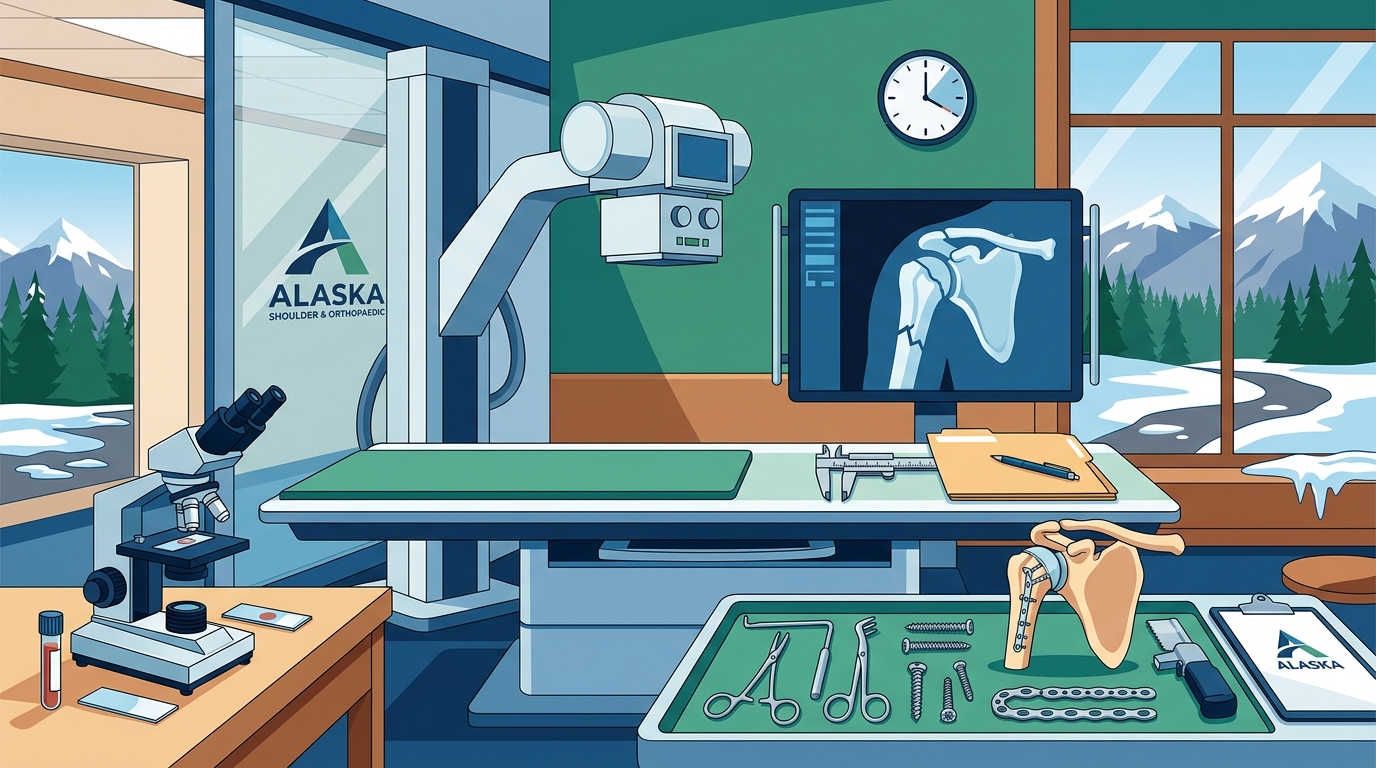
Upon your first visit, the diagnostic phase begins with a comprehensive physical examination and advanced imaging. Standard X-rays are the primary tool for identifying fractures, but they may not reveal all details of complex breaks. In cases where the fracture involves the joint surface or soft tissue, a CT scan or MRI may be required.
According to the American Academy of Orthopaedic Surgeons, accurate imaging is the cornerstone of effective shoulder fracture treatment, as it dictates whether surgery is necessary. The medical team at Alaska Shoulder & Orthopaedic Institute utilizes state-of-the-art imaging technology to create a precise map of your injury. This step is non-negotiable for determining the correct treatment path.
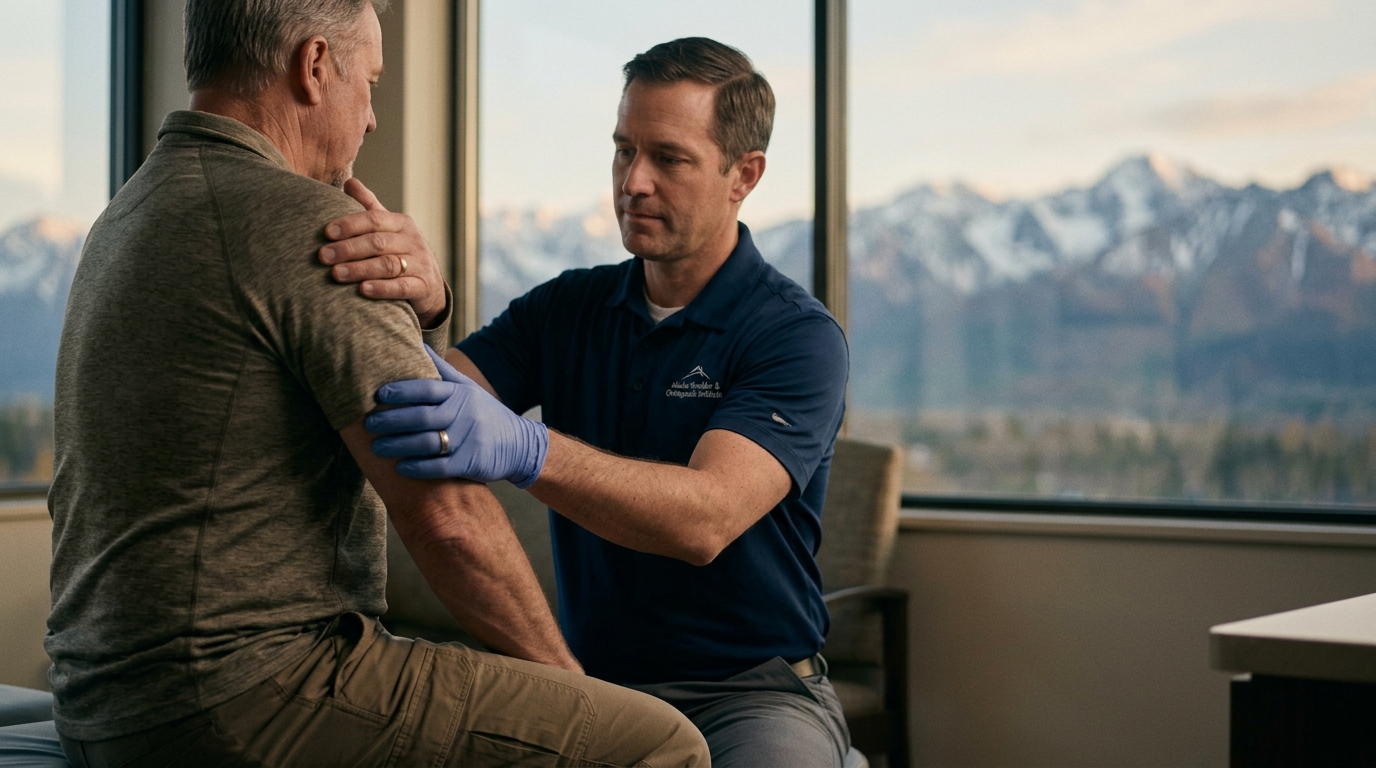
During this appointment, you will also undergo a neurological assessment to check for nerve damage. Nerve injuries can occur when bone fragments press against or tear nearby nerves. Symptoms include numbness, tingling, or weakness in the hand and fingers. Identifying these issues early prevents long-term functional loss. The clinic's patient portal also allows for secure communication regarding your imaging results, streamlining the administrative side of your care.
Step 4: Customized Treatment Planning
Based on the diagnostic results, your orthopedic specialist will propose a treatment plan. This plan is highly individualized, depending on the type of fracture, your age, and your activity level. Treatment options generally fall into two categories: non-surgical management or surgical intervention.
Non-surgical treatment typically involves immobilization using a sling or brace, followed by a period of rest. This approach is common for non-displaced fractures where the bone fragments remain aligned. Surgical treatment, on the other hand, is required for displaced fractures, open fractures, or those involving the joint surface. Surgery may involve the use of plates, screws, or pins to hold the bone in place while it heals.
| Treatment Modality | Indication | Recovery Timeline | Key Considerations |
|---|---|---|---|
| Immobilization | Non-displaced fractures | 6-8 weeks | Requires strict adherence to sling use |
| Open Reduction Internal Fixation (ORIF) | Displaced or complex fractures | 3-6 months | Involves surgical hardware placement |
| Rejuvenative Therapies | Adjunct to healing | Varies | Stem cell or plasma injections |
Recent advancements in orthopedic care include the use of rejuvenative therapies. Alaska Shoulder & Orthopaedic Institute now offers stem cell, peptide, and plasma injections to support tissue healing. These therapies are not a replacement for surgery when it is needed, but they can enhance recovery outcomes in appropriate candidates. Discussing these options with your provider can provide additional pathways to healing.
Step 5: Rehabilitation and Recovery
The final and perhaps most critical step is rehabilitation. Physical therapy is essential for restoring range of motion and strength after a shoulder fracture. Without proper rehab, patients risk developing frozen shoulder or chronic stiffness. The recovery process is gradual, requiring patience and consistent effort.
Shoulder rehabilitation is a structured program of exercises designed to restore function after injury or surgery. It typically begins with passive range-of-motion exercises and progresses to active strengthening. The timeline for returning to normal activities varies. For sedentary workers, return may occur in 4-6 weeks. For manual laborers or athletes, it can take 4-6 months or longer.
Dr. Paisley and his team, including Physician Assistant Leland Grohs, work closely with physical therapists to monitor your progress. Leland brings a unique background as a former Orthopedic Technician and a graduate of the University of Washington MEDEX program, providing patients with comprehensive care that bridges clinical and practical perspectives. His experience in family care also allows for a holistic approach to patient wellness.
Recovery from a shoulder fracture is a marathon, not a sprint. Adhering to your therapist's instructions and attending all follow-up appointments is vital. The institute's commitment to patient education ensures that you understand every stage of your healing journey. By following this step-by-step process, you maximize your chances of a full recovery and a return to your active Alaskan lifestyle.
Key Takeaways
- Immediate Action: Stabilize the injury and seek specialist care within 24-48 hours to prevent complications.
- Specialist Care: Alaska Shoulder & Orthopaedic Institute offers subspecialty care for complex shoulder fractures in the Anchorage and Mat-Su Valley areas.
- Diagnostic Accuracy: Advanced imaging is required to determine if surgery is necessary for displaced fractures.
- Treatment Options: Care ranges from immobilization to surgical fixation, with optional rejuvenative therapies like stem cell injections.
- Rehabilitation: Physical therapy is non-negotiable for restoring strength and preventing long-term stiffness.
- Expert Team: The clinic is led by Dr. Kevin Paisley and supported by experienced staff like PA Leland Grohs.
- Contact: Appointments can be scheduled by calling (907) 646-7846 or visiting their office at 4015 Lake Otis Parkway.
Frequently Asked Questions
How quickly should I see a specialist after a shoulder fracture?
You should seek evaluation from an orthopedic specialist as soon as possible, ideally within a few days of the injury. Early diagnosis ensures that the bone fragments are properly aligned, which is crucial for healing.
Does Alaska Shoulder & Orthopaedic Institute treat patients from the Mat-Su Valley?
Yes, the institute serves patients from the entire Anchorage and Mat-Su Valley region, including Wasilla, Palmer, Chugiak, and Eklutna. Many residents travel to their Lake Otis Parkway location for specialized care.
What is the difference between a shoulder fracture and a dislocation?
A shoulder fracture involves a break in the bone, while a dislocation involves the bones of the joint being forced out of their normal position. Both can occur simultaneously and require different diagnostic approaches.
Are stem cell injections covered by insurance?
Insurance coverage for rejuvenative therapies like stem cell or plasma injections varies by provider and plan. It is best to contact the clinic's administrative team to verify coverage for your specific policy.
How long does recovery take after shoulder fracture surgery?
Recovery typically takes 3 to 6 months, depending on the severity of the fracture and the type of surgery performed. Full return to high-impact activities may take longer.
What should I bring to my first appointment?
Bring your photo ID, insurance card, and any imaging results (CDs or films) from the ER or urgent care. Also, bring a list of current medications and a detailed description of how the injury occurred.
Can I use the patient portal to communicate with my doctor?
Yes, the institute offers a patient portal for secure communication, scheduling, and accessing medical records. This tool streamlines the administrative aspects of your care.
Take the Next Step in Your Recovery
Do not let a shoulder fracture dictate your long-term health. Early intervention and specialized care are the keys to a full recovery. If you are in the Mat-Su Valley or Anchorage area, contact Alaska Shoulder & Orthopaedic Institute today to schedule your evaluation. Visit akshoulder.com to learn more about their services or call (907) 646-7846 to book your appointment. Your journey back to an active life starts with the right diagnosis.