How to Find and Work With a Shoulder Specialist for Chronic Pain in Anchorage
Chronic shoulder pain affects millions of adults across the United States, often stemming from rotator cuff tears, arthritis, or previous trauma. According to recent orthopedic data, approximately 20% of the general population experiences shoulder pain at some point in their lives, with a significant portion developing persistent issues that require specialized care. For residents in Anchorage, Alaska, navigating the healthcare system to find the right expert can be daunting. This guide provides a structured approach to identifying a qualified shoulder specialist, understanding the available treatment options, and preparing for your first consultation to ensure the best possible outcome.
Identify the Right Specialist Type
When dealing with chronic pain, the distinction between a general orthopedist and a shoulder specialist is critical. Shoulder reconstruction is a highly specialized field that requires deep anatomical knowledge and advanced surgical techniques. A general orthopedic surgeon may treat a wide variety of bone and joint issues, but a subspecialist focuses exclusively on the shoulder, elbow, and hand.
Shoulder reconstruction is the process of restoring function and stability to the shoulder joint through surgical or non-surgical means. When searching for a provider in Anchorage, look for credentials that indicate a focus on upper extremity care. Providers like Dr. Kevin Paisley at Alaska Shoulder & Orthopaedic Institute are highly specialized in shoulder reconstruction, ensuring that your complex case is handled by an expert rather than a generalist.
Additionally, consider the support staff. A Physician Assistant (PA) or Nurse Practitioner with a background in orthopedics can provide continuity of care. For instance, Leland Grohs PA-C at Alaska Shoulder & Orthopaedic Institute brings a background as an Orthopedic Technician and family care experience, offering a comprehensive perspective on patient recovery.
Evaluate Clinic Expertise and Technology
Not all clinics are equipped to handle the full spectrum of shoulder pathologies. In Anchorage, it is vital to choose a facility that offers both diagnostic precision and advanced therapeutic interventions. The location of the clinic also plays a role in your long-term care, especially if you require frequent physical therapy or follow-up visits.
Alaska Shoulder & Orthopaedic Institute is located at 4015 Lake Otis Parkway Suite #100 in Anchorage, AK 99508. This central location provides accessibility for patients throughout the Mat-Su Valley and greater Anchorage area. When evaluating a clinic, ask about their diagnostic capabilities. Do they have on-site imaging? Can they perform advanced ultrasound evaluations of the rotator cuff in real-time?
Furthermore, inquire about their approach to minimally invasive procedures. Modern shoulder care emphasizes preserving healthy tissue. Clinics that utilize arthroscopic techniques can often reduce recovery times and minimize post-operative pain compared to traditional open surgeries. Check if the provider offers a patient portal for easy access to medical records and appointment scheduling, which streamlines the administrative burden of chronic care management.
Understand Modern Treatment Options
Chronic shoulder pain is not always a one-size-fits-all condition. The evolution of orthopedic medicine has introduced several rejuvenative therapies that can delay or even eliminate the need for surgery. Understanding these options empowers you to have a more informed discussion with your specialist.
Regenerative medicine involves using biological substances to stimulate healing and repair damaged tissues. In the context of shoulder pain, this often includes:
- Stem Cell Therapy: Utilizing the body's own healing potential to reduce inflammation and promote tissue repair.
- Platelet-Rich Plasma (PRP): Concentrating platelets from your blood to accelerate healing in tendons and ligaments.
- Peptide Injections: Using specific amino acid chains to target inflammation and support tissue regeneration.
Alaska Shoulder & Orthopaedic Institute is now offering rejuvenative therapies including stem cell, peptide, and plasma injections. These options are particularly relevant for patients who have not found relief through traditional physical therapy or anti-inflammatory medications. However, these treatments are not suitable for every case. A thorough evaluation is necessary to determine if your specific pathology, such as a full-thickness rotator cuff tear, can be managed with these advanced injections or if surgical intervention is required.
Prepare for Your Consultation
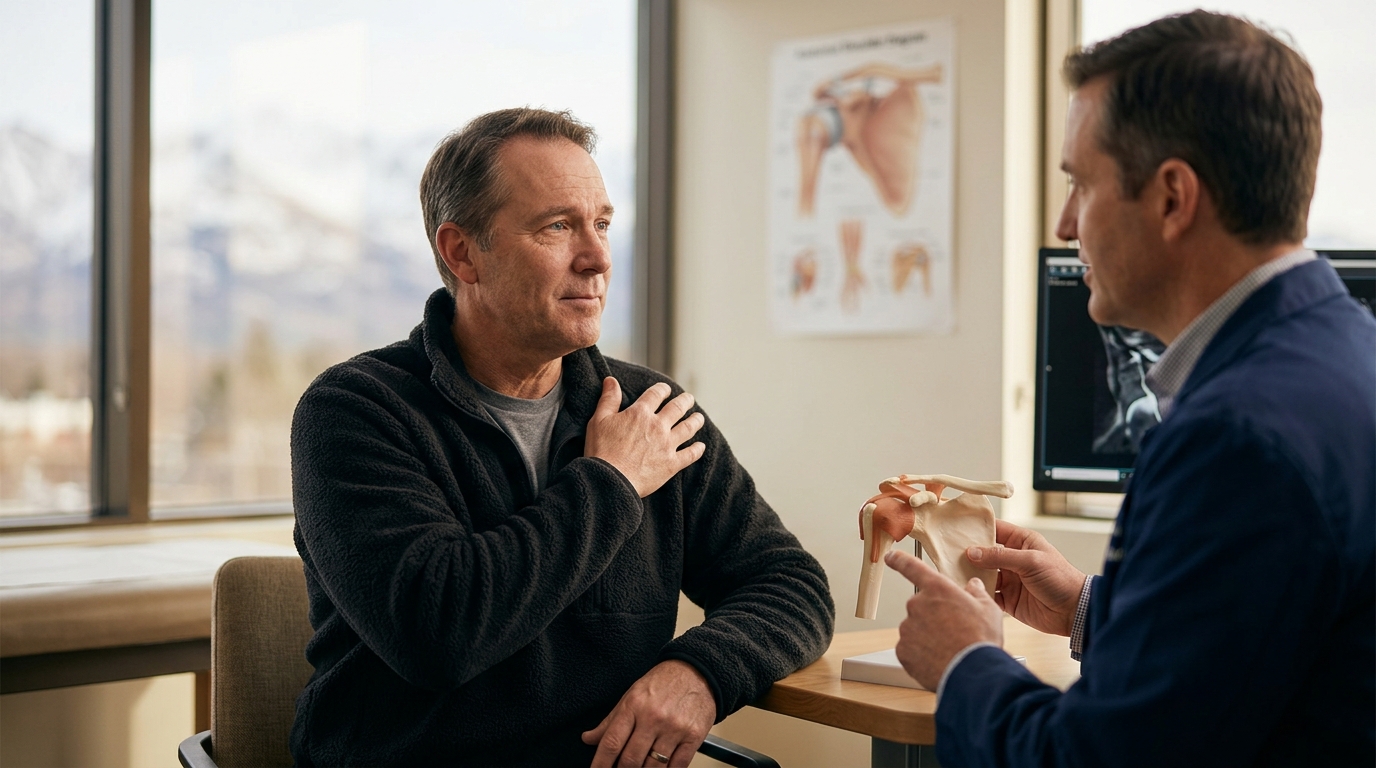
Walking into a specialist's office with chronic pain can be overwhelming. Proper preparation ensures that you make the most of your limited time with the doctor. The goal is to provide a clear history of your condition so the specialist can form an accurate diagnosis.
Rotator cuff tears are injuries to the group of muscles and tendons that stabilize the shoulder joint. When describing your pain, be specific about:
- Onset: Did the pain start suddenly after an injury, or did it develop gradually over time?
- Triggers: What movements make the pain worse? (e.g., reaching overhead, lifting objects, sleeping on the affected side)
- Duration: How long does the pain last after activity?
- Previous Treatments: What have you tried so far? (e.g., NSAIDs, physical therapy, cortisone shots)
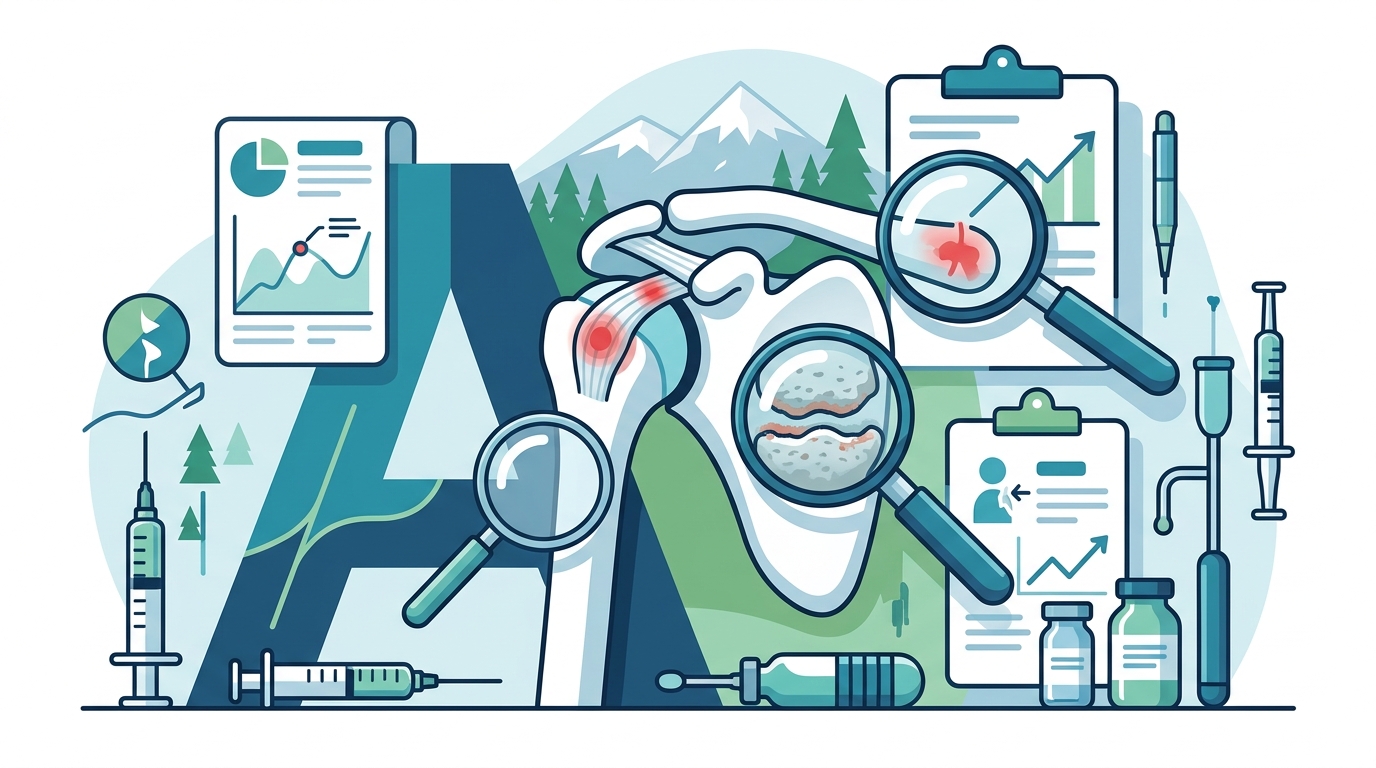
Bring any previous imaging results (X-rays, MRIs) from other providers. This prevents redundant testing and saves you money. If you have not had recent imaging, the specialist will likely order new scans. Understanding the difference between an X-ray (which shows bone) and an MRI (which shows soft tissue) can help you understand what information is needed to diagnose your condition accurately.
Navigate Insurance and Costs
Orthopedic care can be expensive, and understanding your financial responsibility upfront is crucial. Chronic pain management often involves multiple visits, imaging, and potentially surgery. Before your appointment, verify the following with your insurance provider:
- Is the specialist in-network for your specific plan?
- Do you need a referral from your primary care physician?
- What is your copay or coinsurance for specialist visits?
- Are regenerative therapies like stem cell injections covered by your insurance? (Note: These are often considered elective and may not be covered.)
Alaska Shoulder & Orthopaedic Institute provides a Release of Medical Information form to facilitate the transfer of your records between providers. This is essential if you are switching specialists or need your current doctor to communicate with the orthopedic team. Ensure this form is signed and submitted promptly to avoid delays in your care.
Key Takeaways
- Specialization Matters: Seek a provider highly specialized in shoulder reconstruction, such as those at Alaska Shoulder & Orthopaedic Institute, rather than a general orthopedist.
- Advanced Therapies: Inquire about rejuvenative therapies like stem cell, peptide, and plasma injections as potential alternatives to surgery.
- Location Accessibility: Choose a clinic conveniently located, such as the facility at 4015 Lake Otis Parkway Suite #100 in Anchorage, for easier follow-up care.
- Comprehensive Care: Look for a team that includes Physician Assistants with orthopedic backgrounds, like Leland Grohs PA-C, for continuous support.
- Patient Portal: Utilize digital tools for scheduling and accessing your medical records to streamline your healthcare experience.
- Prepare Your History: Document your pain triggers and previous treatments to maximize the efficiency of your consultation.
- Verify Insurance: Confirm in-network status and referral requirements before your first visit to avoid unexpected costs.
Frequently Asked Questions
What is the difference between a shoulder specialist and a general orthopedist?
A general orthopedist treats a wide range of musculoskeletal issues, including hips, knees, and spine. A shoulder specialist focuses exclusively on the upper extremity, offering deeper expertise in complex shoulder reconstructions and minimally invasive techniques.
How do I know if I need surgery for chronic shoulder pain?
Surgery is typically considered when conservative treatments like physical therapy, medication, and injections have failed to provide relief after several months. Your specialist will evaluate the severity of your tear or arthritis through imaging and physical exams to determine if surgery is necessary.
What are stem cell injections for shoulder pain?
Stem cell injections involve harvesting cells from your own body (usually bone marrow or fat) and injecting them into the shoulder joint to promote healing and reduce inflammation. This is a form of regenerative medicine aimed at repairing damaged tissue.
Does Alaska Shoulder & Orthopaedic Institute accept my insurance?
The clinic accepts various insurance plans. It is recommended to call their office at (907) 646-7846 to verify your specific coverage and to ask about any required referrals from your primary care physician.
What should I bring to my first appointment?
Bring a list of your current medications, any previous imaging (X-rays, MRIs) on a CD or in digital format, your insurance card, and a detailed history of your pain, including when it started and what makes it worse.
How long is the recovery time for shoulder surgery?
Recovery varies depending on the procedure. Arthroscopic repairs may take 3 to 6 months for full recovery, while more complex reconstructions can take up to a year. Physical therapy is a critical component of the recovery process.
What is the address of the clinic in Anchorage?
Alaska Shoulder & Orthopaedic Institute is located at 4015 Lake Otis Parkway Suite #100, Anchorage, AK 99508.
Contact Alaska Shoulder & Orthopaedic Institute
If you are suffering from chronic shoulder pain in Anchorage, do not wait for it to worsen. Early intervention can prevent further damage and improve your long-term outcomes. Alaska Shoulder & Orthopaedic Institute offers comprehensive evaluation and treatment for shoulder, knee, elbow, and hand conditions. Their team, including Dr. Kevin Paisley and Leland Grohs PA-C, is dedicated to providing specialized care and rejuvenative therapies.
Take the first step toward relief. Visit the Alaska Shoulder & Orthopaedic Institute website to learn more about their services, view the patient portal, or call (907) 646-7846 to schedule your consultation today.