Shoulder injuries are among the most common reasons patients seek specialized medical attention in Alaska. The unique physical demands of living in the Last Frontier, from snowmachining to heavy labor, place significant stress on the rotator cuff and joint structures. According to recent orthopedic data, shoulder disorders account for a substantial percentage of musculoskeletal complaints in northern climates. At Alaska Shoulder & Orthopaedic Institute, we understand that a healthy shoulder is critical for your daily life and outdoor activities. This guide explores the causes of shoulder pain, modern treatment options, and how our Anchorage-based team can help you regain mobility.
Understanding Shoulder Anatomy and Common Injuries
The shoulder is the most mobile joint in the human body. This mobility comes at the cost of stability, making it highly susceptible to injury. Rotator cuff tears are a primary cause of shoulder pain in Anchorage, often resulting from acute trauma or chronic degeneration. The rotator cuff is a group of muscles and tendons that hold the head of the upper arm bone firmly in the shoulder socket.
Other common conditions include:
- Shoulder Impingement: This occurs when the tendons of the rotator cuff become irritated and inflamed as they pass through the subacromial space. It is often described as a pinching sensation.
- Dislocation: The shoulder joint can slip out of its socket, damaging ligaments and potentially leading to recurrent instability.
- Arthritis: Wear and tear of the cartilage can lead to pain and stiffness, particularly in older adults or those with previous injuries.
Understanding the specific nature of your injury is the first step toward effective relief. Our specialists at Alaska Shoulder & Orthopaedic Institute are highly specialized in shoulder reconstruction and complex joint issues.
The Diagnostic Process at Our Anchorage Clinic
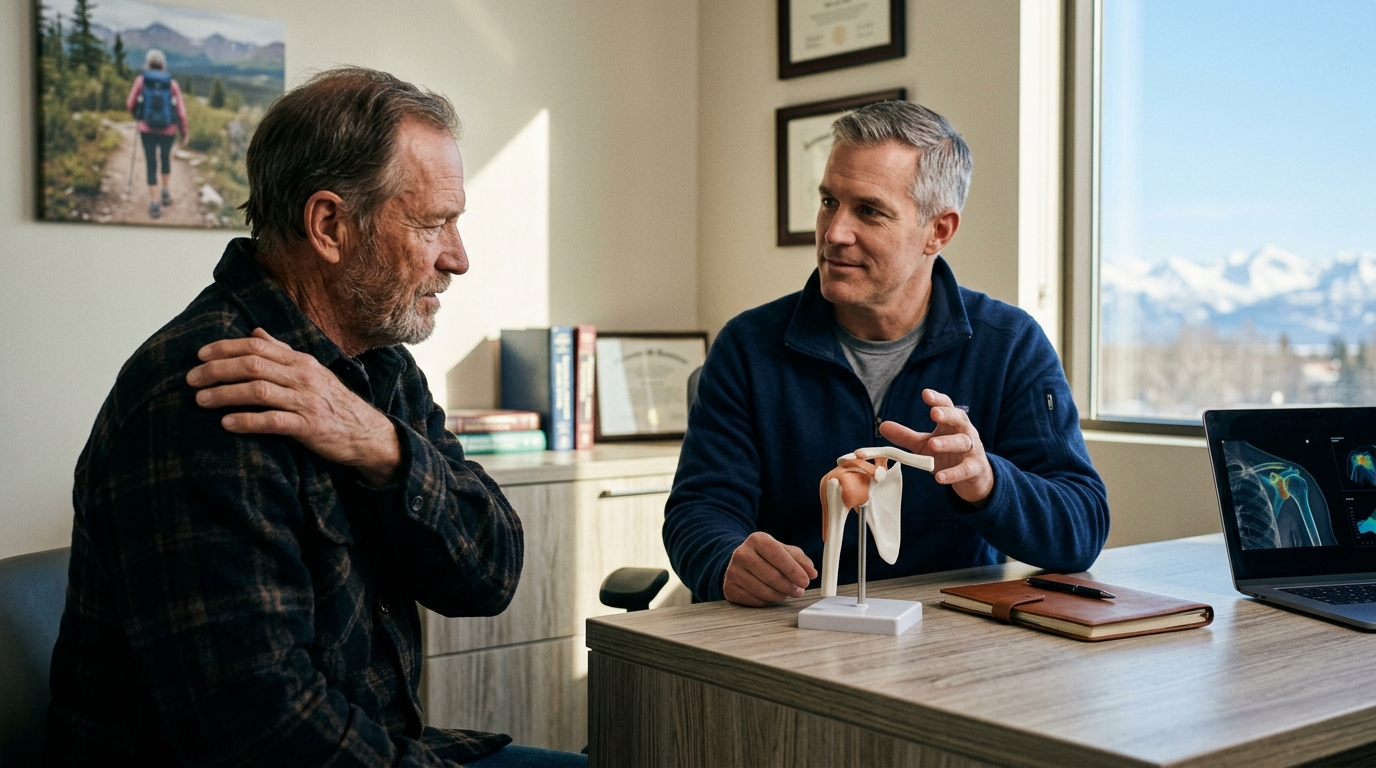
Accurate diagnosis is the cornerstone of successful treatment. When you visit our clinic at 4015 Lake Otis Parkway Suite #100, Anchorage, AK 99508, Dr. Kevin Paisley and his team will conduct a thorough evaluation. This process typically involves:
- Physical Examination: We assess range of motion, strength, and areas of tenderness.
- Imaging Studies: X-rays, MRIs, or CT scans provide detailed views of the bone and soft tissue structures.
- Patient History: Understanding your activity level, previous injuries, and daily routine helps tailor the treatment plan.
We utilize advanced diagnostic tools to ensure that every patient receives a precise assessment. For more information on our patient experience, please review our Customer Experience guidelines.
Comprehensive Treatment Options: From Therapy to Surgery
Treatment for shoulder pain is not one-size-fits-all. We offer a spectrum of care options ranging from conservative management to surgical intervention.
Conservative Management
Many shoulder conditions can be managed without surgery. This may include:
- Physical Therapy: Targeted exercises to strengthen the muscles supporting the joint.
- Medication: Anti-inflammatory drugs to reduce pain and swelling.
- Activity Modification: Adjusting daily activities to avoid aggravating the injury.
Surgical Intervention
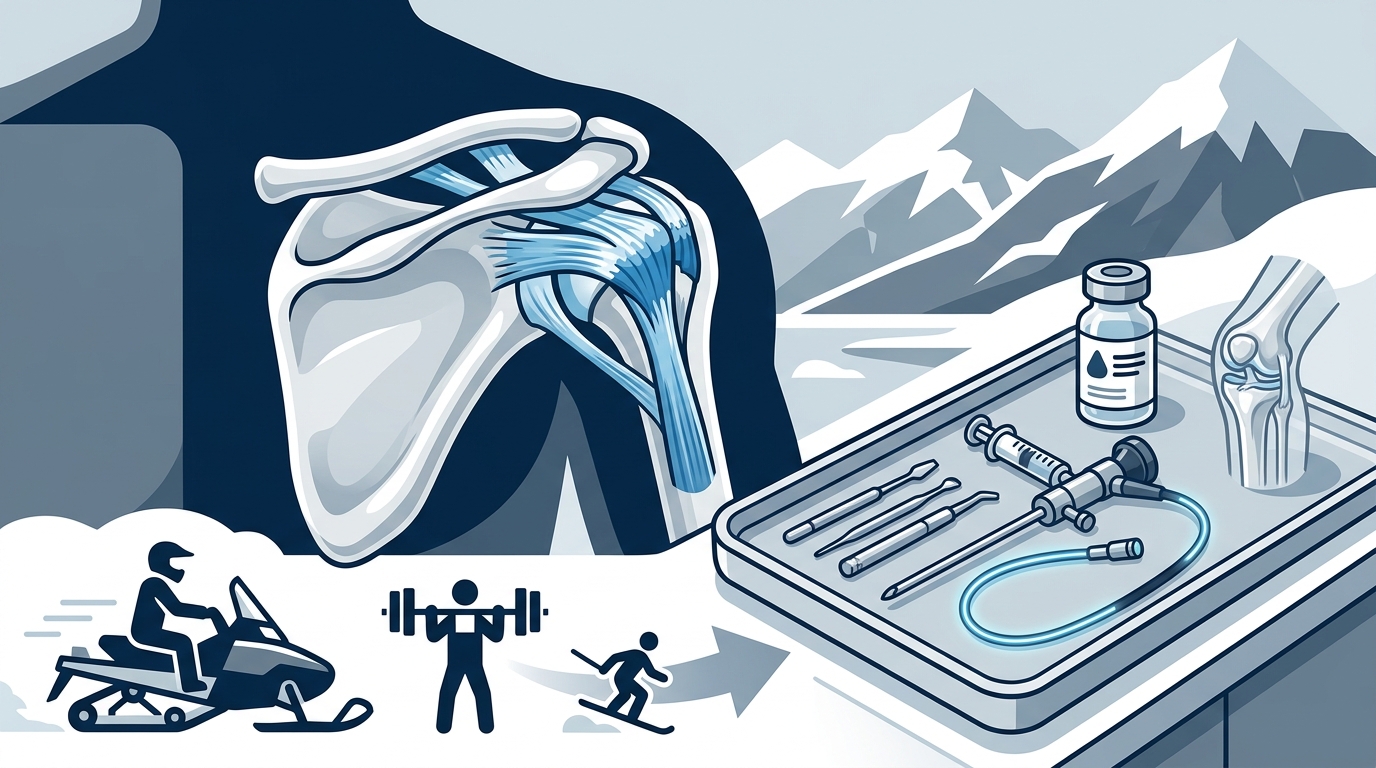
If conservative treatments fail to provide relief, surgery may be necessary. Dr. Paisley is highly specialized in shoulder reconstruction. Surgical options include:
- Arthroscopic Surgery: A minimally invasive procedure using small incisions and a camera to repair torn tendons or remove bone spurs.
- Rotator Cuff Repair: Reattaching torn tendons to the humerus bone.
- Shoulder Replacement: Replacing damaged joint surfaces with artificial components for severe arthritis.
Our goal is always to preserve your natural anatomy whenever possible. For details on our specific services, visit our Services Offered page.
Advanced Rejuvenative Therapies
In recent years, regenerative medicine has gained prominence in orthopedics. We are now offering rejuvenative therapies to help patients heal faster and reduce pain.
Stem Cell Therapy
Stem cell therapy involves using stem cells to promote healing in damaged tissues. This approach aims to reduce inflammation and stimulate tissue regeneration.
Plasma Injections
Platelet-Rich Plasma (PRP) injections use the patient's own blood to concentrate growth factors. These factors are injected into the injured area to accelerate healing.
Peptide Therapy
Peptides are short chains of amino acids that can signal the body to repair tissues. This emerging field offers promising results for chronic joint pain.
These therapies are particularly beneficial for athletes and active individuals in Alaska who want to return to their lifestyle quickly. Learn more about our Patient Portal to manage your care.
Recovery and Lifestyle Adjustments in Alaska
Recovering from shoulder surgery or injury requires patience and dedication. Living in Alaska presents unique challenges, such as cold weather and physical labor. Here are some tips for a smoother recovery:
- Follow Post-Op Instructions: Adhere strictly to your surgeon's guidelines for movement and medication.
- Gradual Return to Activity: Do not rush back to heavy lifting or snowmachining. Work with your physical therapist.
- Stay Warm: Cold weather can exacerbate joint pain. Keep your shoulder warm during the recovery period.
Our team, including PA Leland Grohs, provides comprehensive support throughout your recovery. Leland brings a background in family care and orthopedic technology to ensure you feel supported.
Key Takeaways
- Specialized Care: Alaska Shoulder & Orthopaedic Institute is highly specialized in shoulder reconstruction and complex joint issues.
- Expert Team: Dr. Kevin Paisley and PA Leland Grohs provide expert evaluation and treatment for shoulder, knee, elbow, and hand conditions.
- Advanced Therapies: We offer rejuvenative therapies including Stem Cell, Peptide, and Plasma injections.
- Local Expertise: Located at 4015 Lake Otis Parkway, we serve the Anchorage community with deep understanding of local lifestyle demands.
- Patient-Centered: We prioritize personalized treatment plans based on your specific injury and activity goals.
- Comprehensive Services: From evaluation to surgery and rehabilitation, we cover all aspects of orthopedic care.
- Accessibility: Contact us at (907) 646-7846 to schedule your appointment.
Frequently Asked Questions
What conditions does Alaska Shoulder & Orthopaedic Institute treat?
We treat a wide range of conditions including shoulder, knee, elbow, and hand injuries. Our specialists are highly skilled in reconstruction and joint preservation.
How do I schedule an appointment?
You can schedule an appointment by calling (907) 646-7846 or by visiting our Patient Portal for online booking.
What is the difference between Stem Cell and Plasma injections?
Stem cell therapy uses stem cells to promote tissue regeneration, while Plasma injections use concentrated growth factors from your own blood to accelerate healing. Both are options for rejuvenative care.
Where is your clinic located?
Our clinic is located at 4015 Lake Otis Parkway Suite #100, Anchorage, AK 99508. We are easily accessible for patients throughout the Anchorage area.
Do you accept insurance?
We accept most major insurance plans. Please contact our office to verify your specific coverage.
What should I bring to my first appointment?
Please bring your photo ID, insurance card, and any relevant imaging or medical records from other providers.
How long is the recovery time for shoulder surgery?
Recovery time varies depending on the procedure. Arthroscopic repairs may take several weeks, while shoulder replacements may take several months. Your surgeon will provide a specific timeline.
Contact Alaska Shoulder & Orthopaedic Institute
If you are experiencing shoulder pain, do not wait. Early intervention can prevent further damage and improve your outcome. Contact us today to schedule your evaluation.
Phone: (907) 646-7846
Email: info@AKShoulder.com
Address: 4015 Lake Otis Parkway Suite #100, Anchorage, AK 99508
Visit our home page to learn more about our services and team.