Which Orthopedic Surgeon in Anchorage Has Fellowship Training in Shoulder and Elbow Surgery?
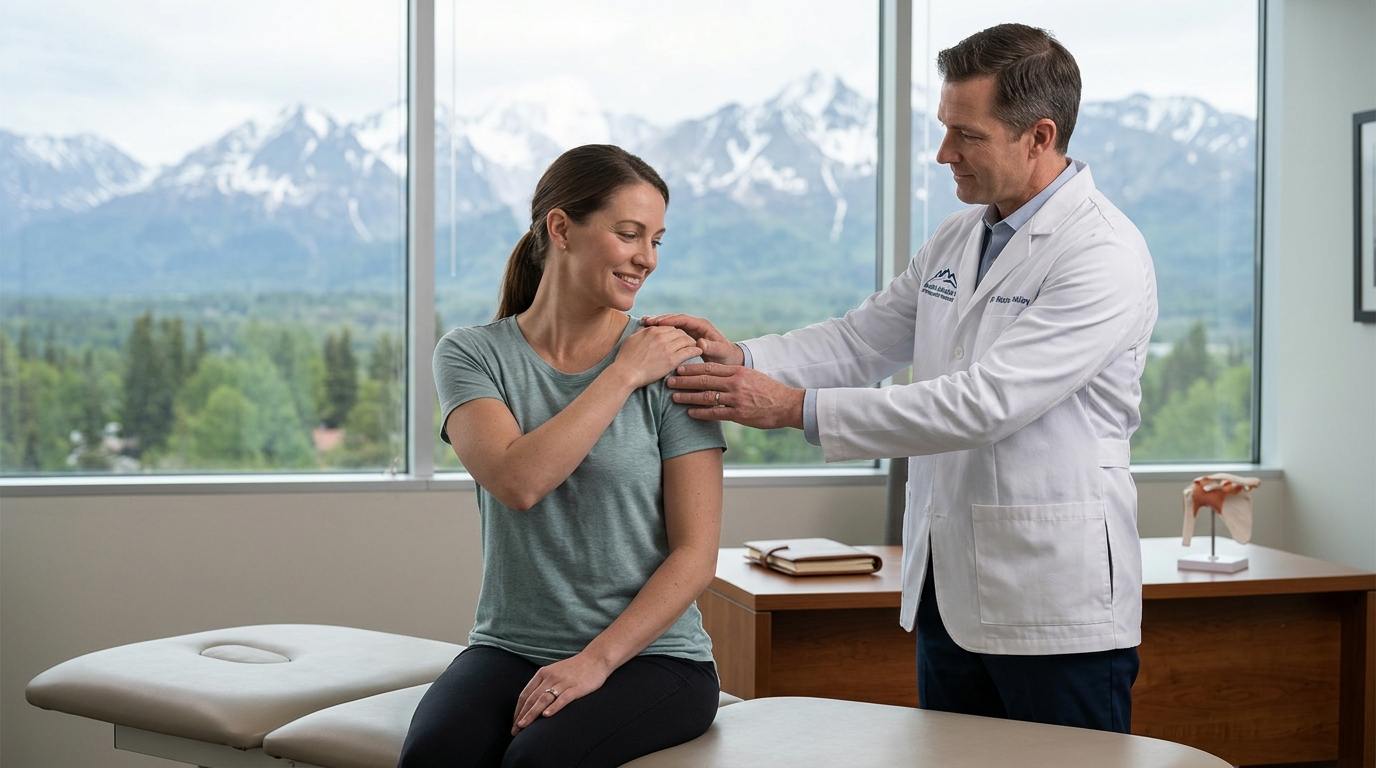
Dr. Kevin Paisley at Alaska Shoulder & Orthopaedic Institute is a board-certified orthopedic surgeon in Anchorage who specializes in shoulder and elbow conditions. He provides individualized care for complex joint issues, focusing on both conservative and surgical solutions. This guide explains how to evaluate fellowship-trained specialists, verify credentials, and navigate the treatment process in Alaska. For additional details, review the Just a moment.
How to Choose a Specialist
Choosing the right orthopedic surgeon requires looking beyond general board certification. A fellowship-trained specialist has completed additional, focused training in a specific area of orthopedics. Shoulder and elbow fellowship training is a post-residency program that provides advanced surgical and clinical expertise in specific joint pathologies. This additional training allows surgeons to handle complex cases that general orthopedists may not encounter frequently. For additional details, review the Just a moment.
When evaluating a provider, look for specific subspecialty focus. Dr. Kevin Paisley at Alaska Shoulder & Orthopaedic Institute focuses primarily on the shoulder, treating conditions such as rotator cuff tears, instability, and arthritis. He also treats elbow, hand, wrist, and knee conditions. A surgeon who dedicates their practice to a specific joint often has more experience with the nuanced anatomy and surgical techniques required for that area. For additional details, review the Just a moment.
Questions to Ask Before Committing
During your initial consultation, ask specific questions to gauge the surgeon's expertise and approach. These questions help you understand how they diagnose and treat conditions similar to yours. For additional details, review the .
Experience and Training
Ask about their fellowship training and the specific institutions where they completed it. Inquire about the volume of specific procedures they perform annually. For example, if you have a rotator cuff tear, ask how many arthroscopic repairs they perform each year. according to Shoulder and Elbow For additional details, review the Customer Experience.
Diagnostic Approach
Treatment Philosophy
Verifying Credentials and Training
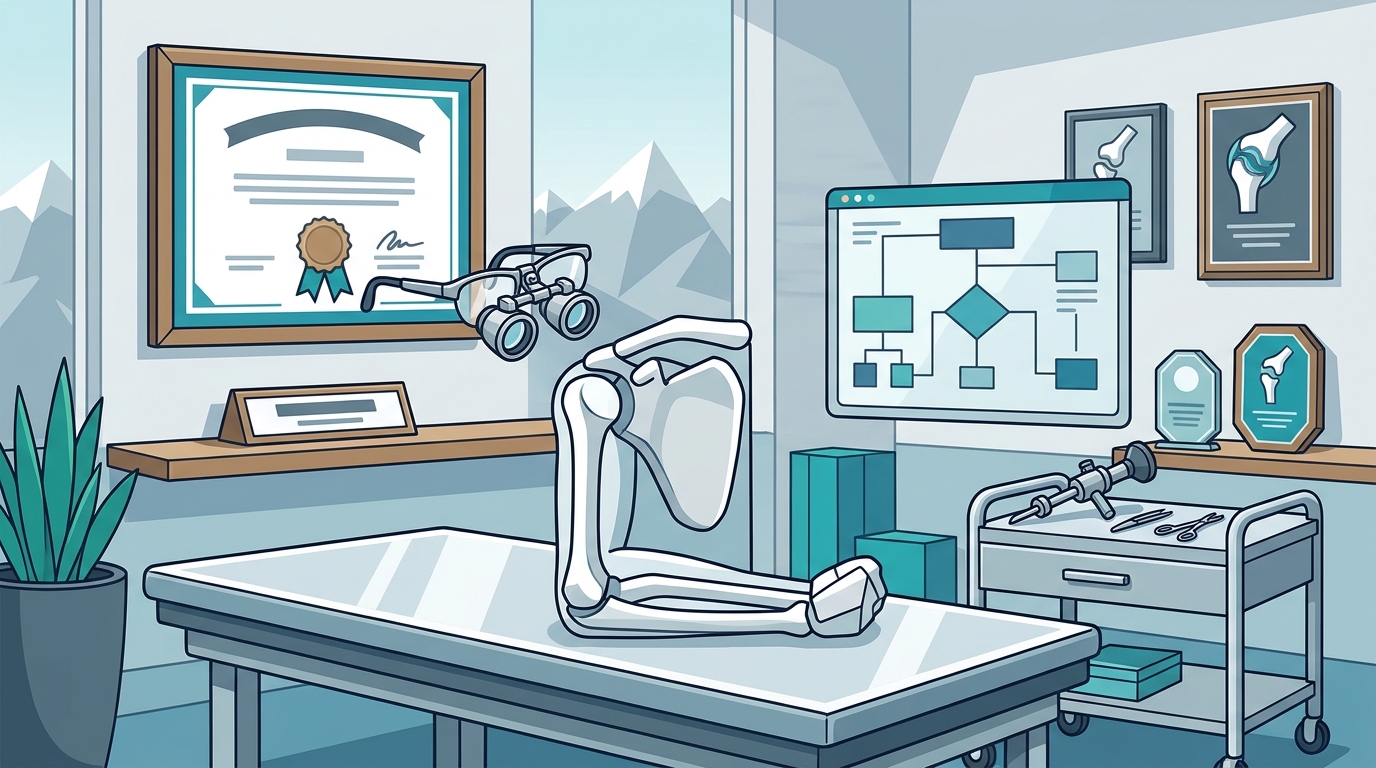
It is essential to verify that a surgeon's credentials are legitimate. You can check board certification through the American Board of Orthopaedic Surgery (ABOS) website. This confirms that the surgeon has passed the rigorous exams required for board certification.
To verify fellowship training, you can ask for the name of the fellowship program and check the program's website. Many academic medical centers list their fellows and graduates. Additionally, you can review the surgeon's profile on professional directories or the practice's website. At Alaska Shoulder & Orthopaedic Institute, Dr. Paisley's background and credentials are clearly outlined, providing transparency for patients.
Check for any disciplinary actions or malpractice history through state medical board websites. In Alaska, the Board of Medical Examiners maintains public records of physician licenses and any actions taken. This step ensures that the provider is in good standing and has a clean professional record.
The Treatment Process and Timeline
The orthopedic treatment process typically follows a structured sequence. It begins with a comprehensive evaluation, followed by a diagnosis, and then a treatment plan. The timeline varies depending on the severity of the condition and the chosen treatment path.
Initial Evaluation
The first step is a detailed consultation. The surgeon reviews your history, performs a physical exam, and orders necessary imaging. This stage helps identify the specific structures involved in your pain.
Conservative Care
Surgical Intervention
If conservative measures fail, surgery may be recommended. Arthroscopic procedures are common for shoulder and elbow issues. Recovery from surgery involves a structured rehabilitation program. The timeline for returning to full activity depends on the specific procedure and individual healing rates.
Understanding Costs and Insurance
Orthopedic care costs can vary significantly based on the type of treatment, insurance coverage, and facility fees. It is important to understand the financial aspects before committing to a treatment plan. according to Are shoulder and
Insurance Coverage
Most insurance plans cover orthopedic evaluations and necessary treatments. However, coverage for specific procedures, such as regenerative medicine or advanced imaging, may vary. Check with your insurance provider to understand your benefits and any out-of-pocket costs.
Out-of-Pocket Expenses
Some treatments, particularly those involving biologic therapies, may not be covered by insurance. In these cases, patients may need to pay out-of-pocket. It is important to discuss costs transparently with the practice. Alaska Shoulder & Orthopaedic Institute provides clear information about treatment options and associated costs during the consultation.
Common Mistakes to Avoid
Patients often make mistakes that can delay recovery or lead to suboptimal outcomes. Being aware of these pitfalls can help you navigate your care more effectively.
Delaying Care
Waiting too long to seek treatment can allow minor injuries to become chronic conditions. Early intervention often leads to better outcomes and shorter recovery times.
Ignoring Red Flags
Ignoring symptoms that worsen despite conservative care can lead to further damage. If your pain is not improving, it is important to re-evaluate your treatment plan with your surgeon.
Choosing Based on Price Alone
Selecting a provider solely based on cost can compromise the quality of care. It is important to balance cost with expertise and the quality of the treatment plan. according to US Coverage and
Specialists vs. General Orthopedists
Understanding the difference between a general orthopedist and a fellowship-trained specialist can help you make an informed decision. The table below summarizes the key differences.
| Training Focus | Broad orthopedic training | Specialized joint focus (e.g., shoulder/elbow) |
| Case Volume | Varies across all joints | High volume in specific joint |
| Complex Cases | May refer complex cases | Handles complex and revision cases |
| Treatment Options | Standard conservative and surgical | Advanced surgical and regenerative options |
A fellowship-trained specialist, such as Dr. Paisley, brings deep expertise in specific joint pathologies. This specialization can be particularly beneficial for complex or recurrent issues that require nuanced surgical techniques.
Considerations for Specific Injuries
Different injuries require different approaches. Understanding how your specific condition affects your treatment options is crucial.
Rotator Cuff Tears
Rotator cuff tears are common in the shoulder. Treatment depends on the size of the tear and the patient's activity level. Small tears may respond to physical therapy, while large or full-thickness tears often require surgical repair.
Shoulder Instability
Shoulder instability involves the shoulder joint slipping out of place. Treatment may involve physical therapy to strengthen stabilizing muscles or surgical procedures to tighten loose ligaments.
Arthritis
Patient Rights and Protections
Patients have specific rights when receiving medical care. Understanding these rights can help you advocate for yourself.
Informed Consent
You have the right to be fully informed about the risks, benefits, and alternatives of any proposed treatment. Your surgeon should explain these details clearly before you agree to a procedure.
Privacy and Confidentiality
Your medical information is protected under HIPAA. You have the right to privacy and confidentiality in all aspects of your care.
Second Opinions
You have the right to seek a second opinion. This is a common and encouraged practice, especially before undergoing major surgery.
Local Specifics in Anchorage
Living in Anchorage presents unique considerations for orthopedic care. The local climate and lifestyle can impact joint health and recovery.
Alaska's cold weather and active lifestyle can place specific demands on the shoulders and elbows. Many residents engage in outdoor activities such as hiking, skiing, and fishing, which can lead to overuse injuries. A local specialist understands these factors and can tailor treatment plans accordingly. Alaska Shoulder & Orthopaedic Institute is located in Anchorage, providing convenient access to specialized care for local residents.
Access to specialized care in Alaska can be limited. Having a fellowship-trained specialist locally means that patients do not need to travel out of state for complex shoulder or elbow issues. This local availability can significantly impact the speed and quality of care.
The Importance of Timing
Timing plays a critical role in orthopedic outcomes. Acting at the right time can improve recovery and reduce the risk of long-term complications.
Early intervention for acute injuries often leads to better outcomes. Delaying treatment for chronic conditions can lead to further degeneration. It is important to seek care when symptoms first appear or when they begin to interfere with daily activities.
Seasonal considerations may also play a role. For example, some patients may prefer to schedule surgery during a time when they can focus on rehabilitation without work or travel obligations. Discussing timing with your surgeon can help you plan your recovery effectively.
Long-Term Outcomes and Recovery
Recovery from orthopedic treatment is a gradual process. Understanding what to expect over time can help you stay motivated and adhere to your rehabilitation plan.
Short-term goals focus on pain reduction and restoring basic function. Long-term goals involve returning to full activity and preventing recurrence. Regular follow-up appointments are essential to monitor progress and adjust the treatment plan as needed.
At Alaska Shoulder & Orthopaedic Institute, the goal is to help patients return to work, recreation, and everyday activities. The practice emphasizes a patient-centered approach, ensuring that each individual's goals are considered in the treatment plan.
Key Takeaways
- Fellowship training provides advanced expertise in specific joint areas like the shoulder and elbow.
- Dr. Kevin Paisley at Alaska Shoulder & Orthopaedic Institute is a board-certified orthopedic surgeon specializing in shoulder and elbow conditions.
- Verify credentials through the American Board of Orthopaedic Surgery and state medical boards.
- The treatment process typically involves evaluation, conservative care, and surgery if necessary.
- Costs vary based on insurance coverage and the type of treatment.
- Delaying care can lead to worse outcomes; early intervention is often beneficial.
- Local specialists in Anchorage understand the unique demands of Alaska's lifestyle and climate.
- Long-term recovery requires adherence to rehabilitation plans and regular follow-ups.
Frequently Asked Questions
What is shoulder and elbow fellowship training?
Shoulder and elbow fellowship training is a post-residency program that provides advanced surgical and clinical expertise in specific joint pathologies. It allows surgeons to handle complex cases that general orthopedists may not encounter frequently.
How do I verify a surgeon's fellowship training?
You can verify fellowship training by asking for the name of the program and checking the program's website. You can also review the surgeon's profile on professional directories or the practice's website.
What conditions does Dr. Kevin Paisley treat?
Dr. Kevin Paisley specializes in shoulder conditions, including rotator cuff tears, instability, and arthritis. He also treats elbow, hand, wrist, and knee conditions.
Is surgery always necessary for shoulder injuries?
No, surgery is not always necessary. Many shoulder injuries can be treated with conservative care, such as physical therapy, activity modification, and medications. Surgery is recommended when conservative measures fail.
How much does orthopedic care cost in Anchorage?
Costs vary based on the type of treatment, insurance coverage, and facility fees. It is important to check with your insurance provider and discuss costs with the practice before committing to a treatment plan.
What are the benefits of seeing a local specialist?
Seeing a local specialist provides convenient access to specialized care. Local surgeons understand the unique demands of Alaska's lifestyle and climate, which can impact joint health and recovery.
How long does recovery from shoulder surgery take?
Recovery from shoulder surgery varies depending on the specific procedure and individual healing rates. It typically involves a structured rehabilitation program that can last several months.