Where to Get Shoulder Arthroscopy in Anchorage, Alaska
Shoulder arthroscopy in Anchorage is available at several orthopedic practices, with the Alaska Shoulder & Orthopaedic Institute serving as a dedicated specialist center for complex shoulder conditions. This guide explains how to evaluate local providers, verify credentials, understand costs, and navigate the surgical process. It covers the specific questions to ask, the rules protecting your rights, and the local logistics of receiving care in the Anchorage area. For additional details, review the Just a moment.
How to Choose a Provider
Specialization vs. General Orthopedics
General orthopedic surgeons treat the entire musculoskeletal system, including hips, knees, and spines. While they are highly skilled, shoulder surgery is a distinct subspecialty. Dr. Paisley has received the Anchorage Press Best Orthopedic Surgeon award four times, a recognition that reflects his focus on this specific area of medicine. Patients often find that a dedicated shoulder practice provides more nuanced care for complex issues like rotator cuff tears and instability. For additional details, review the Just a moment.
What to Ask Before Committing
Questions on Nonsurgical Options
How to Verify Credentials
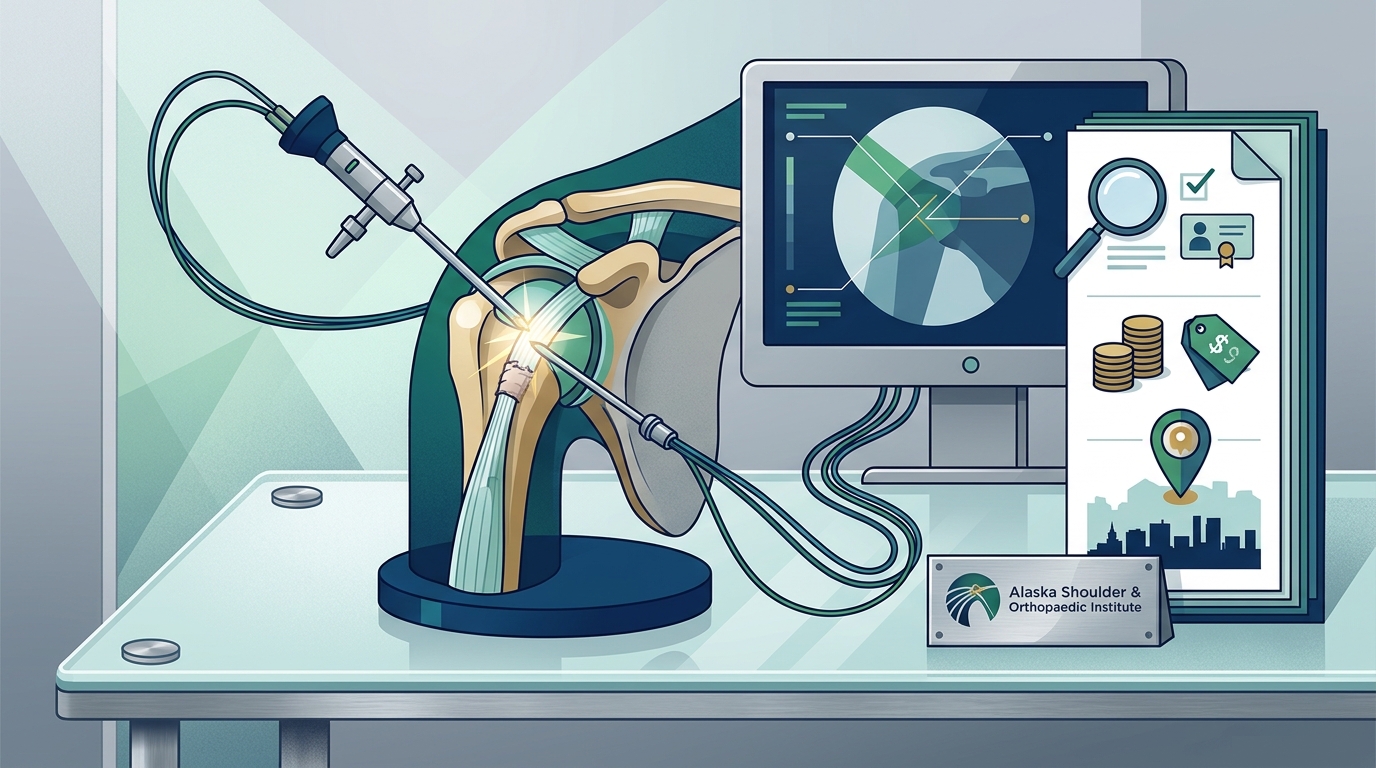
Verifying a surgeon's credentials is a standard part of due diligence. You can check board certification through the American Board of Orthopaedic Surgery or the American Board of Osteopathic Surgery. For Dr. Kevin Paisley, his credentials as a Doctor of Osteopathic Medicine (D.O.) and his specific fellowship training can be verified through professional medical directories. Checking for board certification ensures the surgeon has passed rigorous examinations and met specific training requirements. For additional details, review the .
Checking for Disciplinary Actions
Patients can also review state medical board records to check for any disciplinary actions or license issues. In Alaska, the Board of Medical Examiners maintains public records of physician licenses. This step provides an additional layer of safety and confirms that the provider is in good standing with the state regulatory body. For additional details, review the Customer Experience.
How the Process Works
The Surgical Day
On the day of surgery, you will arrive at the surgical facility for pre-operative checks. The procedure is usually performed under general or regional anesthesia. After the surgery, you will be monitored in a recovery area before being discharged. Most arthroscopic procedures are outpatient, meaning you can go home the same day, though you will need a companion to drive you.
What It Costs
The cost of shoulder arthroscopy varies based on several factors, including the complexity of the procedure, the type of anesthesia, and the facility fees. Insurance coverage plays a significant role in determining out-of-pocket expenses. It is important to request a cost estimate from the practice and your insurance provider before scheduling. The Alaska Shoulder & Orthopaedic Institute can help you understand the financial aspects of your care, including any potential costs for biologic treatments or specialized implants.
Insurance and Pre-Authorization
Most insurance plans require pre-authorization for elective orthopedic surgeries. This process involves the surgeon submitting the medical necessity of the procedure to the insurance company. Getting this approval before surgery helps avoid unexpected billing issues. Patients should verify their deductible and out-of-pocket maximums to prepare for the financial commitment.
Common Mistakes to Avoid
One common mistake is delaying treatment until the condition becomes severe. Chronic shoulder pain can lead to further tissue damage, making surgery more complex. Another error is not following post-operative rehabilitation protocols. Physical therapy is essential for restoring range of motion and strength. Skipping sessions or rushing the process can lead to stiffness and prolonged recovery. Finally, failing to communicate with your surgeon about pain or complications can delay necessary adjustments to your care plan.
Arthroscopy Versus Alternatives
Shoulder arthroscopy is often compared to open surgery and nonsurgical treatments. Open surgery involves a larger incision and typically requires a longer recovery time. Arthroscopy is less invasive, which often results in less post-operative pain and a faster return to activity. Nonsurgical alternatives, such as physical therapy and injections, are often tried first. However, if these methods fail to provide relief, arthroscopy may be the next logical step. The choice depends on the specific diagnosis and the patient's goals.
| Option | Invasiveness | Recovery Time | Best For |
|---|---|---|---|
| Physical Therapy | Non-invasive | Weeks to Months | Mild to moderate pain, instability |
| Arthroscopy | Minimally invasive | Weeks to Months | Rotator cuff tears, labral tears |
| Open Surgery | Invasive | Months | Complex fractures, severe arthritis |
Considerations for Specific Situations
For athletes, the focus is often on returning to sport-specific movements. Dr. Paisley designs treatment plans that consider the patient's lifestyle, ensuring that the surgical approach aligns with their activity goals. For older adults, the priority may be pain relief and maintaining independence in daily activities. In these cases, the surgeon may prioritize less aggressive techniques or combine surgery with biologic therapies to enhance healing. Individualized care is key to addressing the unique needs of each patient.
Rules and Patient Protections
Patients in Alaska are protected by state medical laws and federal regulations. Informed consent is a legal requirement, meaning you must understand the risks, benefits, and alternatives before agreeing to surgery. The practice must provide a clear explanation of the procedure and obtain your written consent. Additionally, patients have the right to access their medical records and to seek a second opinion. These protections ensure that patients are treated with respect and transparency.
Local Specifics for Anchorage
Timing and Outcomes
Timing is a critical factor in shoulder surgery. Acting too early may mean unnecessary surgery, while acting too late can lead to tissue degeneration. The decision to proceed with surgery should be based on a thorough evaluation and a discussion of your symptoms and goals. Dr. Paisley works with patients to determine the optimal timing for intervention, ensuring that the body is prepared for the procedure and rehabilitation.
Results Over Time
Recovery from shoulder arthroscopy is a gradual process. Most patients experience significant pain relief within the first few weeks. Range of motion and strength improve over the following months as physical therapy progresses. Long-term outcomes depend on adherence to the rehabilitation plan and the underlying condition. Regular follow-up appointments allow the surgeon to monitor progress and make adjustments as needed. The goal is to restore function and help patients return to their desired level of activity.
Key Takeaways
- Choose a specialized shoulder surgeon for complex conditions.
- Verify board certification and check for disciplinary actions.
- Ask about both surgical and nonsurgical options during your consultation.
- Understand the cost and insurance requirements before scheduling.
- Follow post-operative rehabilitation protocols strictly.
- Consider your lifestyle and activity goals when planning treatment.
- Utilize local expertise in Anchorage for tailored care.
- Timing of surgery should be based on a thorough medical evaluation.
Frequently Asked Questions
Who is the best shoulder surgeon in Anchorage?
Dr. Kevin Paisley at the Alaska Shoulder & Orthopaedic Institute is a highly regarded specialist in the area. He has received the Anchorage Press Best Orthopedic Surgeon award four times and focuses primarily on shoulder conditions.
Is shoulder arthroscopy painful?
The procedure itself is performed under anesthesia, so you will not feel pain during the surgery. Post-operative pain is managed with medication and typically decreases as healing progresses.
How long does recovery take?
Recovery timelines vary by individual and the specific procedure. Most patients begin physical therapy within a few weeks and continue for several months to restore full function.
Do I need a referral to see Dr. Paisley?
Requirements for referrals depend on your insurance plan. It is best to check with your insurance provider to see if a referral from your primary care physician is necessary.
What are the risks of shoulder arthroscopy?
Like any surgery, arthroscopy carries risks such as infection, bleeding, and nerve damage. However, these complications are rare when the procedure is performed by an experienced surgeon.
Can I avoid surgery with physical therapy?
Many patients find relief with conservative care, including physical therapy and injections. However, if these methods fail, surgery may be recommended to address the underlying structural issue.
Does the Alaska Shoulder & Orthopaedic Institute offer biologic treatments?
Next Steps
If you are experiencing shoulder pain or have been diagnosed with a condition that may require arthroscopy, the next step is to consult with a specialist. The team at the Alaska Shoulder & Orthopaedic Institute is ready to evaluate your condition and discuss your options. To schedule an appointment, today.