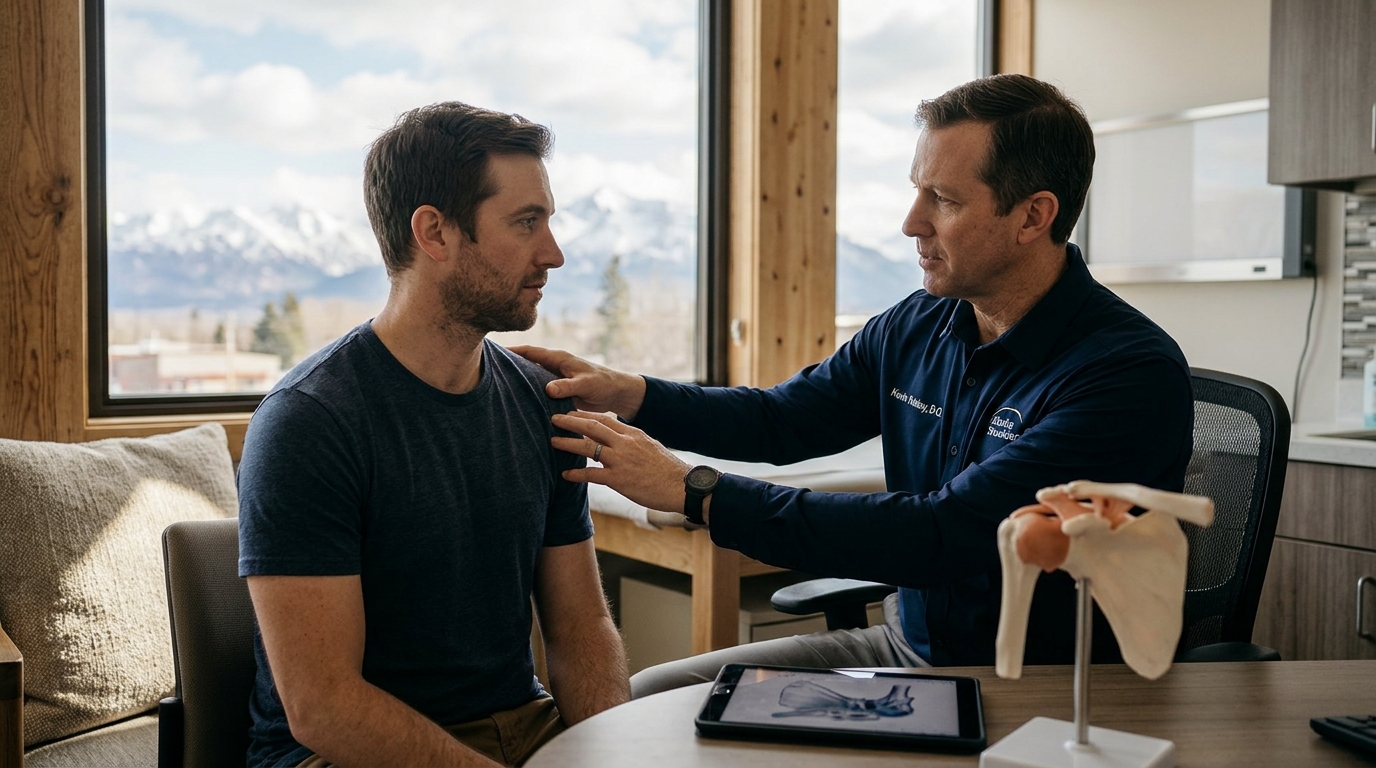
Alaska Shoulder & Orthopaedic Institute, led by Dr. Kevin Paisley, D.O., provides specialized care for shoulder instability and labral injuries in Anchorage. Dr. Paisley is a shoulder-focused orthopedic surgeon who has received the Anchorage Press Best Orthopedic Surgeon award four times. This guide explains how to evaluate providers, verify credentials, understand treatment pathways, and navigate the local healthcare landscape for these complex conditions. For additional details, review the Just a moment.
How to Choose a Provider
Selecting the right specialist for shoulder instability requires looking beyond general orthopedic training. A shoulder instability specialist is a surgeon who focuses specifically on the mechanics of the shoulder joint, including the labrum, ligaments, and bone. General orthopedists treat all joints, but shoulder instability often requires nuanced understanding of the Bankart lesion and associated bone loss. For additional details, review the Just a moment.
When evaluating a provider, prioritize fellowship training in shoulder and elbow surgery. This advanced training ensures the surgeon has dedicated years to mastering complex shoulder procedures. Additionally, consider the surgeon's volume of specific procedures. High-volume surgeons often have more refined techniques for arthroscopic labral repairs and bone grafting. For additional details, review the Just a moment.
Specialization vs. General Practice
Dr. Kevin Paisley at Alaska Shoulder & Orthopaedic Institute specializes primarily in shoulder conditions. This focus allows for deeper expertise in diagnosing subtle instability patterns that generalists might miss. Patients should ask if the surgeon performs a high percentage of their practice on shoulder cases. according to Shoulder Instability and For additional details, review the .
Reputation and Awards
Reputation in a local market like Anchorage can be a useful indicator of patient satisfaction. Dr. Paisley has been recognized as the Anchorage Press Best Orthopedic Surgeon four times. While awards are subjective, consistent recognition over several years suggests a strong track record of patient care and outcomes. For additional details, review the Customer Experience.
What to Ask Before Committing
During your initial consultation, specific questions will reveal the depth of the surgeon's expertise. You should ask about their experience with your specific diagnosis, such as a SLAP tear or Bankart lesion. Understanding their approach to your unique anatomy is critical.
Ask about the expected recovery timeline and the specific physical therapy protocols they use. A good surgeon will have a structured rehabilitation plan in place before surgery. Also, inquire about the risks of recurrent instability, as this is a known challenge in shoulder surgery.
Key Questions for the Surgeon
- How many labral repairs have you performed in the last year?
- What is your approach to bone loss in the glenoid?
- Do you use biologic adjuncts like PRP, and what is the evidence for them?
- What are the specific risks of re-dislocation after surgery?
How to Verify Credentials
Verifying a surgeon's credentials is a straightforward process that protects your health. Board certification is the primary marker of surgical competence. You can verify board certification through the American Board of Orthopaedic Surgery (ABOS) website. This ensures the surgeon has passed rigorous exams and met experience requirements.
Additionally, check for any disciplinary actions or malpractice history. State medical boards, such as the Alaska Board of Medicine, maintain public records of physician licenses and any actions taken. A clean record is a baseline expectation for any specialist.
The Treatment Process
Treating shoulder instability typically follows a stepwise approach. It begins with a thorough clinical evaluation, including a physical exam to assess laxity and specific tests for labral tears. Imaging, usually an MRI with arthrogram, is essential to visualize soft tissue structures like the labrum and rotator cuff.
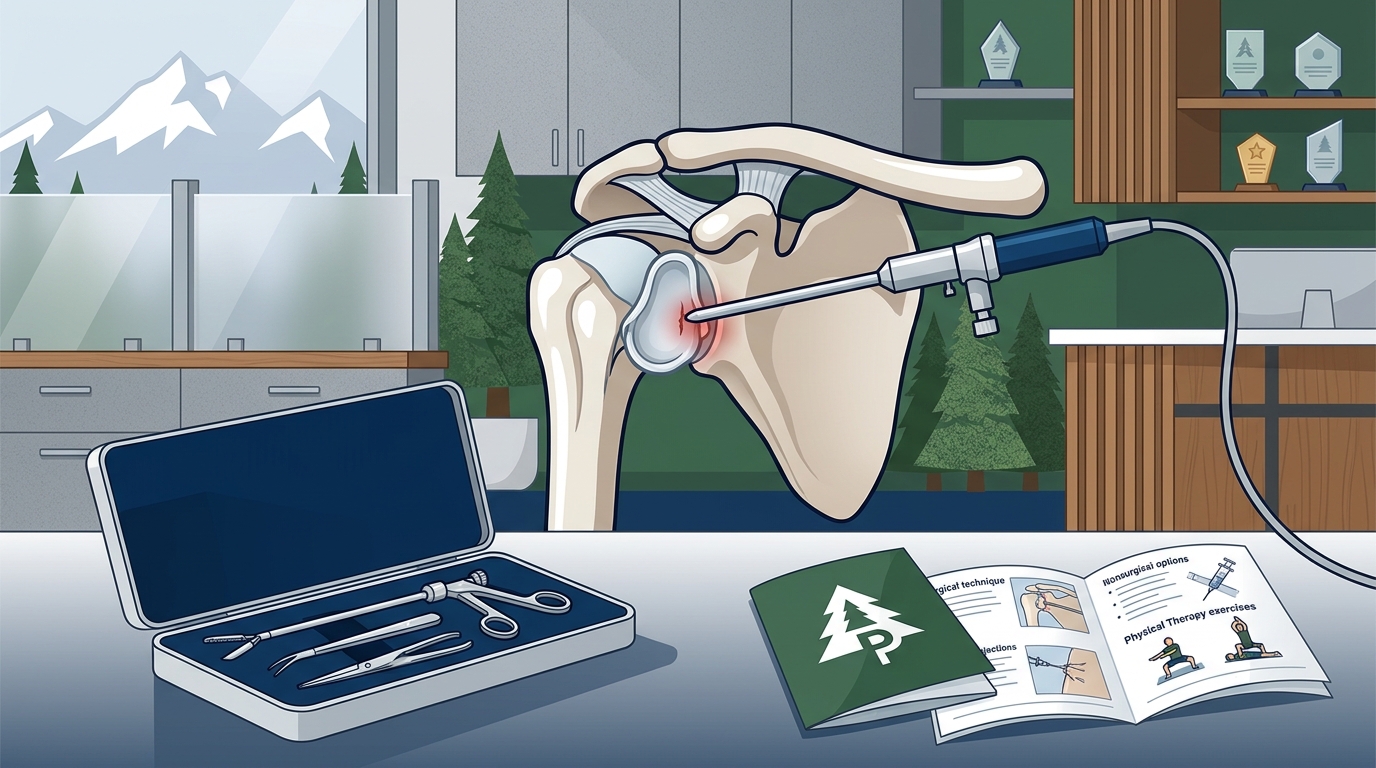
If conservative care fails, surgical intervention is considered. Arthroscopic labral repair is the gold standard for many patients. The procedure involves reattaching the torn labrum to the bone using anchors. The surgery is minimally invasive, allowing for faster initial recovery compared to open procedures.
Diagnostic Steps
- Physical Examination: Assessing range of motion and stability.
- Imaging: MRI with arthrogram to confirm labral pathology.
- Discussion: Reviewing findings and treatment options with the surgeon.
Cost Factors
The cost of treating shoulder instability varies based on several factors. The type of procedure is the primary driver. Arthroscopic repairs are generally less expensive than open procedures or bone grafting. The complexity of the case, including the presence of bone loss, also impacts the final bill. according to Surgical treatment for
Common Mistakes to Avoid
One common mistake is delaying treatment. Chronic instability can lead to progressive damage to the cartilage and bone. Waiting too long may make surgery more complex and less effective. Early intervention often yields better long-term outcomes.
Another error is not adhering to the rehabilitation protocol. Shoulder surgery requires a structured physical therapy program. Skipping exercises or returning to activity too early can compromise the repair. Patients must commit to the full recovery timeline.
Surgical vs. Non-Surgical Options
Surgery is indicated when conservative care fails to control symptoms or when there is significant structural damage. The decision depends on the patient's age, activity level, and goals. A comparison of the two approaches helps patients make an informed decision.
| Factor | Conservative Care | Surgical Repair |
|---|---|---|
| Indication | Mild instability, low activity demands | Recurrent dislocations, significant labral tear |
| Recovery Time | Weeks to months | Months to a year |
| Risk of Recurrence | Higher if instability is structural | Lower, but not zero |
| Cost | Lower upfront | Higher upfront, but potentially more durable |
Specific Patient Scenarios
Young athletes often present with traumatic instability. These patients typically require surgical repair to return to contact sports. The goal is to restore stability and prevent recurrent dislocations that could end their athletic career.
Older adults may develop instability due to degenerative changes. In these cases, the approach may differ, focusing on pain relief and function rather than high-performance stability. The surgeon tailors the treatment to the patient's specific life stage and goals.
Patient Rights and Protections
Patients have the right to informed consent. This means the surgeon must explain the risks, benefits, and alternatives of any procedure. You should feel comfortable asking questions until you fully understand the plan. No procedure should be performed without your explicit consent.
Additionally, patients have the right to seek a second opinion. If you are unsure about a diagnosis or treatment plan, consulting another specialist is a prudent step. This ensures you are making the best decision for your health.
Anchorage Local Specifics
Anchorage's unique environment impacts shoulder health. The cold climate and outdoor activities like skiing and hiking increase the risk of shoulder injuries. Local providers are familiar with these patterns and tailor their care accordingly. Alaska Shoulder & Orthopaedic Institute is well-positioned to serve this community with specialized shoulder care.
Access to care in Alaska can be a challenge. Having a local specialist reduces the need for travel to other states for complex procedures. This convenience can improve adherence to follow-up appointments and rehabilitation.
The Importance of Timing
Timing is critical in shoulder instability. Early treatment after an acute injury can prevent chronic changes. If a dislocation occurs, prompt reduction and evaluation are essential. Delaying care can lead to stiffness and further damage.
For chronic cases, the timing of surgery depends on the patient's symptoms and goals. There is no strict deadline, but prolonged instability can lead to arthritis. Discussing the optimal timing with your surgeon is key.
Long-Term Outcomes
Long-term outcomes for labral repair are generally good, especially in younger patients. Most patients return to their pre-injury activity levels. However, some degree of stiffness or weakness may persist. Regular follow-up is important to monitor the joint's health over time.
Key Takeaways
- Choose a shoulder specialist with fellowship training and high case volume.
- Verify board certification and check for any disciplinary actions.
- Ask specific questions about the surgeon's experience with your diagnosis.
- Understand the cost factors and verify insurance coverage before surgery.
- Do not delay treatment; early intervention often yields better outcomes.
- Adhere strictly to the rehabilitation protocol to ensure a successful recovery.
- Consider a second opinion if you are unsure about the treatment plan.
- Local specialists in Anchorage are familiar with the unique injury patterns of the region.
Frequently Asked Questions
Who is the best shoulder surgeon in Anchorage?
Dr. Kevin Paisley at Alaska Shoulder & Orthopaedic Institute is a highly regarded shoulder specialist in Anchorage. He has received the Anchorage Press Best Orthopedic Surgeon award four times and specializes in complex shoulder conditions.
What is a labral tear?
A labral tear is a tear in the ring of cartilage (labrum) that surrounds the shoulder socket. It can cause pain, instability, and a clicking sensation in the shoulder.
Is surgery always necessary for shoulder instability?
No, surgery is not always necessary. Conservative care, including physical therapy, is often tried first. Surgery is considered if conservative measures fail or if there is significant structural damage.
How long does recovery take after labral repair?
Recovery typically takes several months. Patients usually wear a sling for a few weeks and begin physical therapy gradually. Full return to activity may take 6 to 12 months.
What are the risks of labral repair surgery?
Can I return to sports after shoulder surgery?
Many patients return to sports after shoulder surgery, but it depends on the type of sport and the individual's recovery. Athletes often require a longer rehabilitation period to ensure stability.