
What Does PRP Therapy Actually Do for Shoulder Pain and Injury Recovery?
The Biological Mechanism of PRP
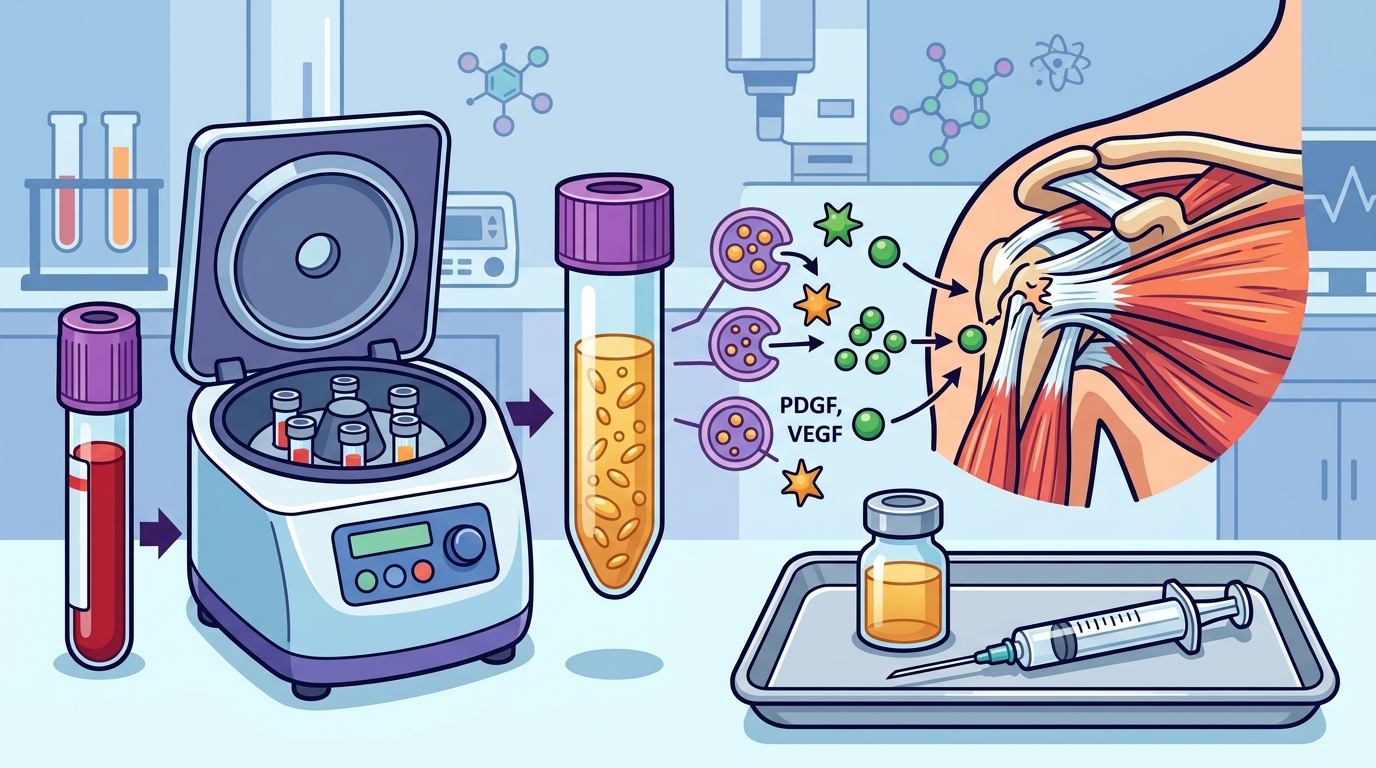
PRP therapy is a biological treatment that utilizes the patient's own blood to accelerate tissue repair. When blood is drawn and processed, the platelets are concentrated into a small volume. These platelets contain alpha granules filled with growth factors such as platelet-derived growth factor (PDGF) and vascular endothelial growth factor (VEGF). according to Laser Safety Program For additional details, review the Alaska Shoulder amp Orthopaedic.
When injected into a damaged tendon or joint, these growth factors are released over time. They signal nearby cells to increase protein synthesis and cellular activity. This biological response aims to strengthen the tissue matrix and reduce inflammatory markers. For a patient with chronic shoulder pain, this means the treatment targets the root cause of tissue degeneration rather than just masking symptoms. For additional details, review the wp.
Targeting Rotator Cuff Tendinopathy
One of the most common applications for PRP in the shoulder is rotator cuff tendinopathy. This condition involves the degeneration of the tendon fibers, often leading to pain during overhead activities. Studies have shown that PRP injections can improve pain scores and functional outcomes in patients with partial-thickness rotator cuff tears. For additional details, review the .
Dr. Kevin Paisley evaluates whether a patient's specific tear pattern is suitable for this therapy. If the tendon is frayed but not completely detached, PRP may help restore structural integrity. This allows many patients to avoid surgery or delay it while regaining strength. The treatment is particularly relevant for active individuals in Alaska who rely on shoulder function for outdoor recreation. For additional details, review the Customer Experience.
PRP vs. Corticosteroid Injections
Patients often ask how PRP differs from traditional corticosteroid injections. Corticosteroids are anti-inflammatory agents that provide rapid pain relief but can weaken collagen over time. PRP, conversely, is a regenerative therapy that aims to heal the tissue. While steroids suppress the immune response, PRP stimulates it. For additional details, review the Frequently Asked Questions.
The Clinical Evaluation Process
Not every shoulder pain case is a candidate for PRP therapy. A proper evaluation is essential to determine if the tissue is viable for regeneration. This process typically involves a physical exam, imaging such as an MRI or ultrasound, and a discussion of the patient's lifestyle. Dr. Paisley looks for signs of active inflammation versus chronic degeneration.
If the tendon is completely torn or the arthritis is severe, PRP may not be the best first-line treatment. In those cases, surgical reconstruction or other interventions might be necessary. The practice focuses on identifying the source of the problem to recommend the most effective path. This personalized approach ensures that patients do not waste time or resources on treatments that are unlikely to work for their specific anatomy.
Recovery and Activity Modification
Recovery from PRP therapy involves a period of relative rest followed by a structured rehabilitation program. Patients are usually advised to avoid heavy lifting or overhead activities for the first few weeks. This allows the growth factors to work without being disrupted by mechanical stress. Physical therapy is often prescribed to maintain range of motion and gradually rebuild strength. according to Laser Safety Program
Key Takeaways
- It is most effective for chronic tendinopathy and partial-thickness tears where the tissue is still viable.
- Unlike corticosteroids, PRP aims to heal the tissue rather than just suppress inflammation.
- A thorough clinical evaluation is required to determine if a patient is a suitable candidate.
- Recovery involves a period of rest followed by structured physical therapy to restore strength.
- Dr. Kevin Paisley provides individualized plans that consider both nonsurgical and surgical options.
Frequently Asked Questions
Does PRP therapy hurt?
The injection itself is similar to a standard medical injection and is usually well-tolerated. Some patients experience mild soreness at the injection site for a day or two. This is a normal part of the healing process.
How long does the effect of PRP last?
The biological effects of PRP are designed to be long-lasting. By stimulating tissue repair, the goal is to create a structural improvement that persists. Many patients report sustained pain relief for months or years after treatment.
Can I return to work immediately after PRP?
It depends on the nature of your job. Desk workers may return immediately, while those with physical labor roles may need a few days of light duty. Your physician will provide specific guidelines based on your activity level.
Is PRP FDA-approved for shoulder injuries?
How many PRP injections are needed?
Most patients require only one injection for a specific condition. However, some protocols may involve a series of injections depending on the severity of the injury and the response to the first treatment.