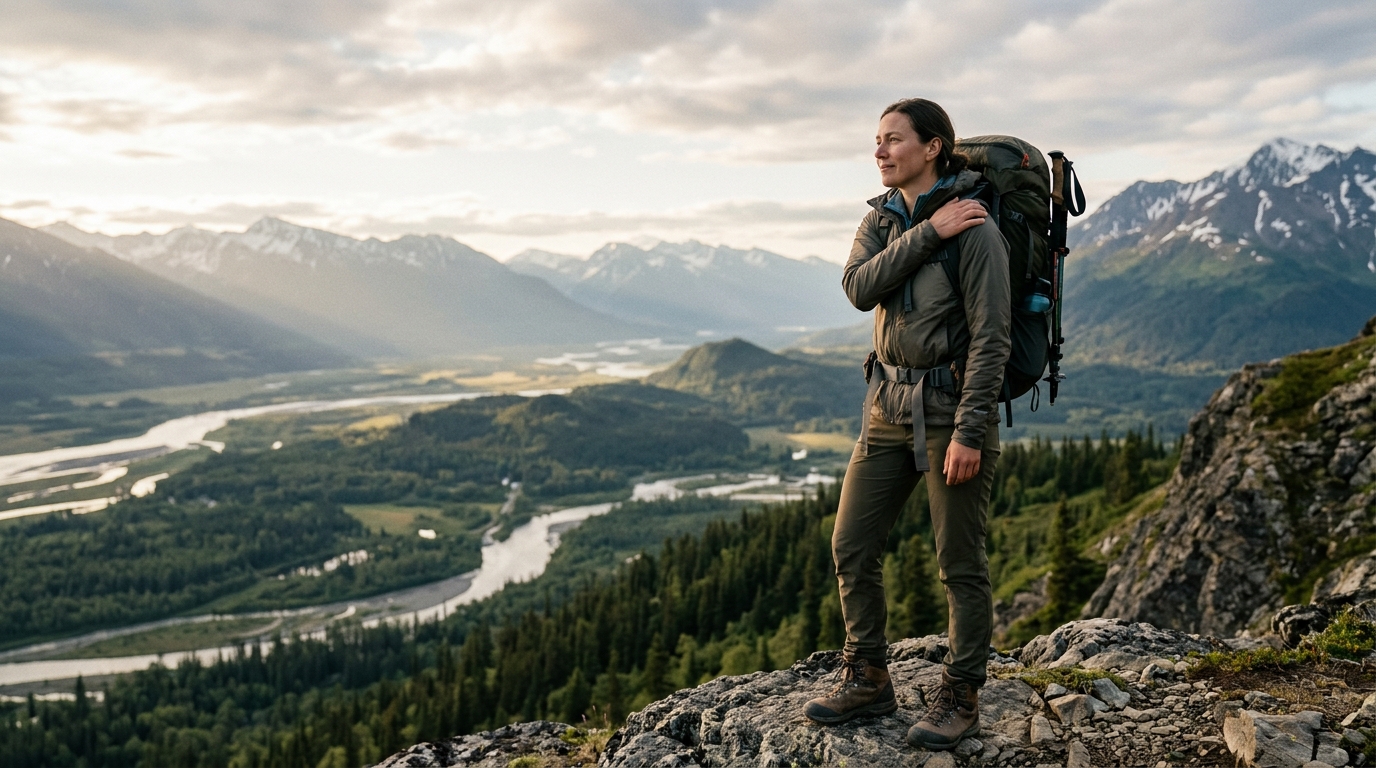
Patients in the Mat-Su Valley seeking care for a shoulder fracture typically consult with an orthopedic surgeon specializing in upper extremity trauma. Alaska Shoulder & Orthopaedic Institute in Anchorage provides specialized evaluation and treatment for complex shoulder injuries, including fractures. This guide covers the clinical pathways for shoulder fracture management, the role of orthopedic trauma specialists, and the emergency protocols that guide initial care in Alaska's remote regions.
Shoulder Fracture Treatment
Shoulder fracture treatment is a clinical process that involves stabilizing the bone, restoring joint alignment, and managing associated soft tissue damage. The approach depends heavily on the patient's age, bone quality, and the specific pattern of the fracture. For many patients, non-surgical management is the first line of defense. This often involves immobilization in a sling and a structured physical therapy program to maintain range of motion while the bone heals.
Surgical Indications
Surgery is generally considered when the fracture is displaced or when the bone fragments are unstable. In elderly patients with severe bone loss, surgical fixation may be difficult. In these cases, shoulder replacement is indicated for the surgical treatment of proximal humeral fractures in elderly patients, when severe comminution and osteoporosis jeopardize the chances of success of any fixation technique, as noted in recent orthopedic literature. For younger, active patients, the goal is often to preserve the native joint. Fractures of the proximal humerus, often termed shoulder fractures, are common injuries, especially in older people, and the decision to operate is a nuanced one, according to clinical reviews.
Conservative Management
Orthopedic Trauma Care
Orthopedic trauma care is the specialized medical field focused on the diagnosis and treatment of injuries to the musculoskeletal system caused by external forces. In Alaska, trauma often results from high-impact activities such as snowmachining, hunting, or industrial work. These injuries can be complex, involving multiple bone fragments or associated dislocations. Posterior fracture-dislocation of the shoulder is an infrequent traumatic event; however, most orthopaedic surgeons may face the challenge of treating it, as highlighted in systematic reviews.
Complex Fracture Patterns
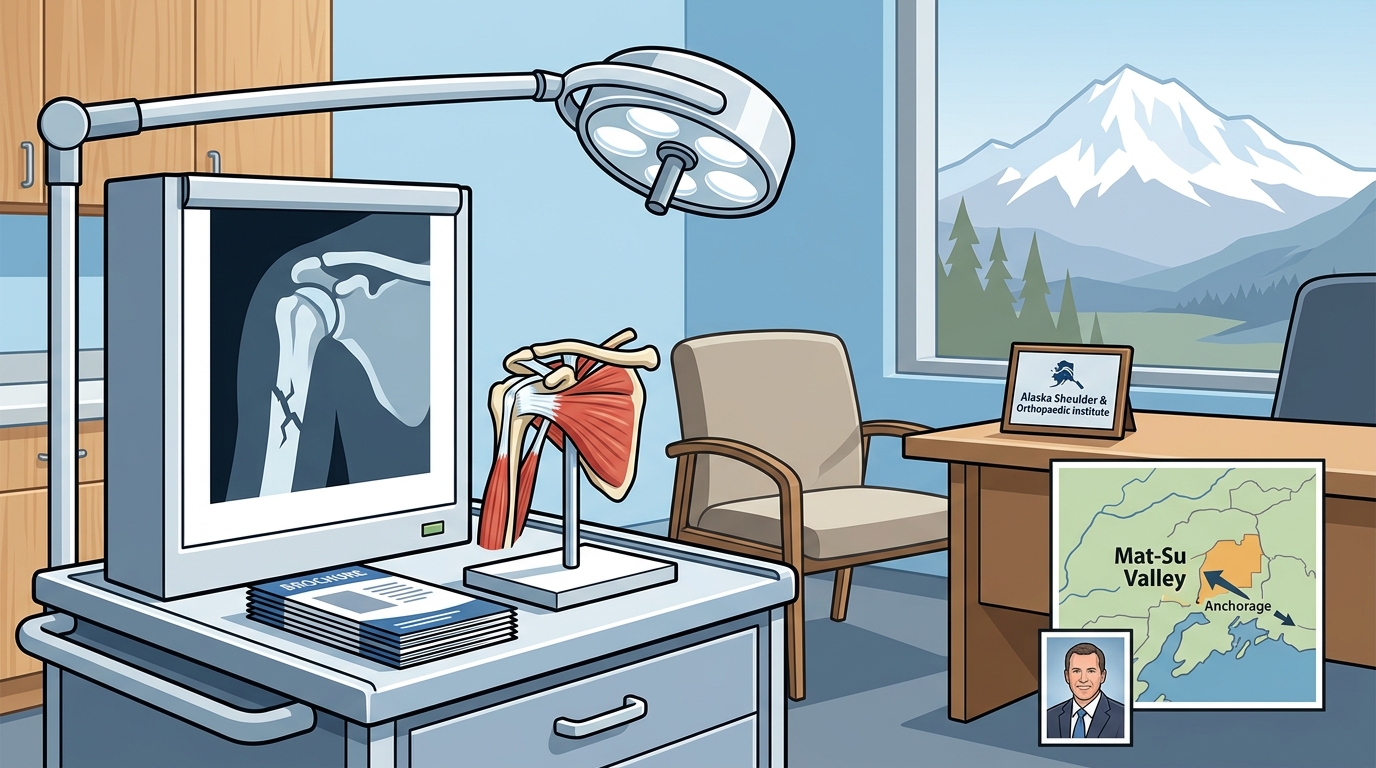
Some fractures are particularly challenging to treat. In the elderly, fracture-dislocations and fractures with a split or impacted humeral head with loss of greater than 40% of the articular surface can be managed by hemiarthroplasty, according to surgical studies. These complex patterns require a surgeon with specific experience in shoulder reconstruction. The practice is highly specialized in shoulder reconstruction, ensuring that complex cases receive the focused attention they require.
Regenerative Options
For certain types of injuries, regenerative therapies may be considered. The practice is now offering rejuvenative therapies: Stem Cell, Peptides and Plasma injections. These treatments are not for every patient and are used only when clinically appropriate. They are part of a broader toolkit that allows the surgeon to tailor the treatment to the specific biological needs of the patient.
Emergency Care Protocols
Emergency care protocols are the standardized procedures used by first responders and emergency departments to stabilize a patient with a suspected fracture. In the Mat-Su Valley, the initial response is critical. Patients should seek immediate medical attention if they experience severe pain, deformity, or inability to move the shoulder after an injury. The emergency department will typically perform an X-ray to confirm the diagnosis and assess the stability of the fracture.
Initial Stabilization
The first step in emergency care is pain control and immobilization. A sling or splint is applied to limit movement and reduce swelling. It is important to avoid moving the arm unless directed by a medical professional. If the skin is broken over the fracture, it is considered an open fracture, which is a medical emergency requiring immediate surgical intervention to prevent infection.
Transport and Referral
Once stabilized, the patient may be referred to an orthopedic specialist. In remote areas like the Mat-Su Valley, transport to a larger medical center in Anchorage may be necessary for advanced imaging or surgical planning. The Alaska Shoulder & Orthopaedic Institute is located in Anchorage, providing access to specialized care for patients in the surrounding region.
Orthopedic Trauma Specialists
An orthopedic trauma specialist is a surgeon who has completed additional training in the management of complex bone and joint injuries. These specialists are equipped to handle the full spectrum of trauma, from simple fractures to complex multi-fragment injuries. In Alaska, finding a specialist with specific expertise in shoulder trauma is important for optimal outcomes.
Choosing the Right Surgeon
When selecting a surgeon, patients should look for specific experience in shoulder reconstruction. Dr. Kevin Paisley, D.O., is a shoulder-focused orthopedic surgeon and a four-time recipient of the Anchorage Press Best Orthopedic Surgeon award. He specializes primarily in diagnosing and treating shoulder conditions, including rotator cuff tears, shoulder instability, arthritis, tendon injuries, and other complex shoulder problems. He also treats conditions involving the elbow, hand, wrist, and knee.
Team-Based Approach
Modern orthopedic care is often team-based. The practice includes Leland Grohs PA-C, a lifelong Alaskan with a background as an Orthopedic Technician. PA Graduate from University of Washington MEDEX program. Background in family care. This team approach ensures that patients receive comprehensive care from initial evaluation through post-operative recovery.
| Fracture Type | Typical Treatment | Key Considerations |
|---|---|---|
| Stable Proximal Humerus | Non-surgical (Sling + PT) | Early motion to prevent stiffness |
| Displaced 3-Part Fracture | Surgical Fixation (ORIF) | Age and bone quality are critical factors |
| Comminuted Fracture in Elderly | Arthroplasty (Replacement) | Fixation often fails in osteoporotic bone |
| Posterior Dislocation | Reduction + Stabilization | High risk of missed diagnosis |
Key Takeaways
- Shoulder fractures are common in older adults and active individuals in Alaska.
- Treatment ranges from non-surgical management to complex surgical reconstruction.
- Emergency care focuses on stabilization, pain control, and rapid referral to a specialist.
- Orthopedic trauma specialists have specific training in managing complex bone injuries.
- Dr. Kevin Paisley is a recognized shoulder specialist in Anchorage with a focus on reconstruction.
- Regenerative therapies like PRP and stem cells are options for select patients.
- Early evaluation by a specialist improves the chances of a successful recovery.
- Individualized treatment plans are essential, as no two fractures are exactly alike.
Frequently Asked Questions
Who treats shoulder fractures in the Mat-Su Valley?
Patients in the Mat-Su Valley are often referred to orthopedic specialists in Anchorage. The Alaska Shoulder & Orthopaedic Institute provides specialized care for shoulder fractures and other upper extremity injuries.
Do all shoulder fractures require surgery?
No. Many stable fractures can be treated without surgery using a sling and physical therapy. Surgery is typically reserved for displaced or unstable fractures.
What is a proximal humerus fracture?
A proximal humerus fracture is a break in the upper part of the arm bone, near the shoulder joint. It is one of the most common types of shoulder fractures.
How long does it take to recover from a shoulder fracture?
Recovery time varies by patient and fracture type. It can take several months to a year to regain full strength and range of motion.
What is the role of physical therapy in fracture recovery?
Physical therapy is crucial for restoring range of motion and strength. It is often started early in the healing process to prevent stiffness.
Can I return to work after a shoulder fracture?
Return to work depends on the nature of the job and the severity of the fracture. Light-duty work may be possible earlier, while heavy labor may require a longer recovery period.
What are the risks of not treating a shoulder fracture?
Untreated or poorly treated fractures can lead to chronic pain, stiffness, and arthritis. In severe cases, the bone may not heal properly.
Conclusion
Treating a shoulder fracture in the Mat-Su Valley requires a coordinated approach between emergency providers and orthopedic specialists. The Alaska Shoulder & Orthopaedic Institute in Anchorage offers specialized care for these complex injuries. By understanding the treatment options and seeking timely evaluation, patients can work toward a successful recovery. To plan your visit, .